


Can a dry - wet cooler be used in a leather factory?
Oct 01, 2025
Leave a message
As a supplier of dry - wet coolers, I often get asked about the applicability of our products in various industrial settings. One question that has come up frequently is whether a dry - wet cooler can be used in a leather factory. In this blog post, I'll explore this topic in detail, looking at the specific requirements of a leather factory and how a dry - wet cooler can meet those needs.
Understanding the Leather Manufacturing Process
Leather manufacturing is a complex process that involves several stages, including soaking, liming, deliming, bating, tanning, and finishing. Each of these stages generates a significant amount of heat, which needs to be removed to ensure the quality of the leather and the efficiency of the production process.
During the soaking and liming processes, large amounts of water are used, and the water temperature needs to be maintained at a certain level. If the temperature is too high, it can affect the chemical reactions involved in these processes, leading to poor - quality leather. Similarly, in the tanning process, which often uses chemicals at specific temperatures, heat management is crucial.
The Role of Cooling Systems in a Leather Factory
Cooling systems play a vital role in a leather factory. They are responsible for removing the heat generated during the manufacturing process, maintaining the optimal temperature of the water used in various processes, and ensuring the proper functioning of equipment.
Traditional cooling systems, such as air - cooled condensers, have limitations in terms of their cooling capacity and energy efficiency. In a leather factory, where large amounts of heat need to be removed continuously, these systems may not be sufficient. This is where dry - wet coolers come in.
How Dry - Wet Coolers Work
Dry - wet coolers combine the advantages of both dry and wet cooling methods. In the dry mode, the cooler uses air to dissipate heat, similar to an air - cooled condenser. This mode is energy - efficient and can be used when the ambient temperature is relatively low.
When the ambient temperature rises or the cooling load increases, the wet mode can be activated. In the wet mode, water is sprayed onto the cooling coils, and the evaporation of the water helps to remove heat more efficiently. This combination of dry and wet modes allows the dry - wet cooler to provide a high level of cooling performance while also being energy - efficient.
Advantages of Using Dry - Wet Coolers in a Leather Factory
Energy Efficiency
Dry - wet coolers can significantly reduce energy consumption compared to traditional cooling systems. By using the dry mode when possible and only switching to the wet mode when necessary, the cooler can save a considerable amount of energy. This is especially important in a leather factory, where the cooling system runs continuously, and energy costs can be a significant part of the overall production cost.
High Cooling Capacity
Leather factories generate a large amount of heat, and dry - wet coolers are capable of handling high cooling loads. The wet mode, in particular, can provide a much higher cooling capacity than the dry mode alone, ensuring that the temperature of the water and equipment in the factory is maintained at the optimal level.


Water Conservation
In a leather factory, water is a precious resource. Dry - wet coolers are designed to use water efficiently. The water used in the wet mode is recycled, and the amount of water lost through evaporation is minimized. This helps to reduce the overall water consumption of the factory.
Flexibility
Dry - wet coolers can operate in a wide range of ambient temperatures. They can adjust their cooling performance according to the changing conditions, making them suitable for use in different climates and seasons. This flexibility is essential for a leather factory, which may need to operate throughout the year.
Types of Dry - Wet Coolers Suitable for a Leather Factory
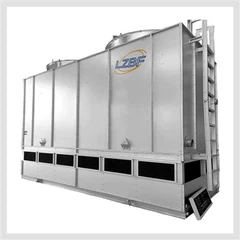
There are several types of dry - wet coolers that can be used in a leather factory. One option is the Closed Circuit Cooling Water System. This system uses a closed - loop design, which means that the process water is not in direct contact with the ambient air. This helps to prevent contamination of the process water and ensures the quality of the leather production.
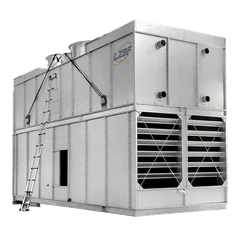
Another suitable type is the Hybrid Closed Circuit Cooling Tower. This tower combines the features of dry and wet cooling in a single unit. It can operate in both dry and wet modes, providing high - efficiency cooling while also being energy - efficient.
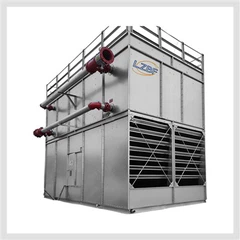
The Composite Flow Closed Cooling Tower is also a good choice. It uses a composite flow design, which allows for a more efficient heat transfer process. This type of cooler can handle high cooling loads and is suitable for large - scale leather factories.
Considerations When Choosing a Dry - Wet Cooler for a Leather Factory
When selecting a dry - wet cooler for a leather factory, several factors need to be considered.
Cooling Capacity
The cooling capacity of the cooler should be sufficient to meet the specific cooling requirements of the factory. This requires a detailed analysis of the heat generated during each stage of the leather manufacturing process.
Space Requirements
Dry - wet coolers come in different sizes. The available space in the factory should be taken into account when choosing a cooler. It is important to ensure that there is enough room for the installation and maintenance of the cooler.
Maintenance Requirements
Regular maintenance is essential to ensure the proper functioning of the dry - wet cooler. The cooler should be easy to clean and maintain, and spare parts should be readily available.
Cost
The initial cost of the dry - wet cooler, as well as the operating and maintenance costs, should be considered. While a high - quality cooler may have a higher initial cost, it can save money in the long run through energy savings and reduced maintenance requirements.
Conclusion
In conclusion, dry - wet coolers are a suitable cooling solution for a leather factory. They offer high cooling performance, energy efficiency, water conservation, and flexibility. With the right type of dry - wet cooler and proper installation and maintenance, a leather factory can improve its production efficiency, reduce energy costs, and ensure the quality of its products.
If you are a leather factory owner or manager and are interested in learning more about how our dry - wet coolers can benefit your factory, please feel free to contact us for a consultation. We are committed to providing you with the best cooling solutions tailored to your specific needs.
References
- ASHRAE Handbook - HVAC Systems and Equipment. American Society of Heating, Refrigerating and Air - Conditioning Engineers.
- Industrial Cooling Systems: Design, Operation, and Maintenance. McGraw - Hill Professional.
Send Inquiry