


Can a closed loop cooling system work in extreme temperatures?
Oct 09, 2025
Leave a message
As a supplier of Closed Loop Cooling Systems, I often get asked whether these systems can function effectively in extreme temperatures. This is a crucial question, especially for industries operating in harsh environmental conditions where maintaining optimal temperatures is essential for equipment performance and longevity. In this blog post, I'll delve into the science behind closed loop cooling systems and explore their capabilities in extreme heat and cold.
Understanding Closed Loop Cooling Systems
Before we discuss their performance in extreme temperatures, let's briefly understand how closed loop cooling systems work. A closed loop cooling system is designed to circulate a coolant through a closed circuit, absorbing heat from a heat source and transferring it to a heat exchanger. This process ensures that the equipment being cooled remains at a stable temperature, regardless of the external environment.
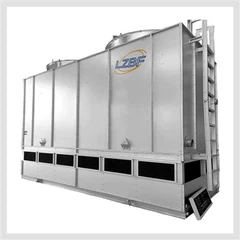
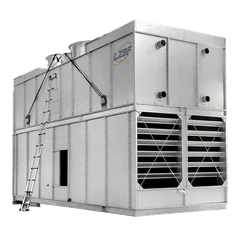
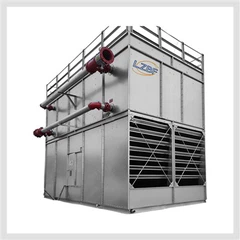
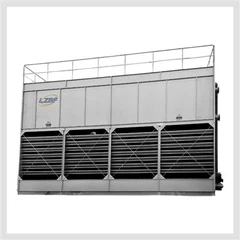
There are different types of closed loop cooling systems, including Indirect Evaporative Cooling Unit, Closed Loop Water Cooling System, and Indirect Air Cooler. Each type has its own advantages and is suitable for different applications.
Working in Extreme Heat
One of the most challenging environments for a cooling system is extreme heat. High ambient temperatures can put a significant strain on the cooling system, making it harder to dissipate heat effectively. However, closed loop cooling systems are designed to handle such conditions.
Heat Transfer Efficiency
In extreme heat, the key to a closed loop cooling system's performance lies in its heat transfer efficiency. The system uses a heat exchanger to transfer heat from the coolant to the external environment. Advanced heat exchanger designs, such as those with high surface area and efficient materials, can enhance heat transfer even in high-temperature conditions.
For example, some closed loop cooling systems use finned tubes in their heat exchangers. These fins increase the surface area available for heat transfer, allowing the system to dissipate more heat in a shorter time. Additionally, the use of high-conductivity materials, such as copper or aluminum, further improves heat transfer efficiency.
Coolant Selection
Another important factor is the choice of coolant. In extreme heat, it's crucial to use a coolant with a high boiling point and good thermal stability. Water is a common coolant, but in very hot environments, it may require additives to prevent boiling and corrosion. Some systems use specialized coolants, such as glycol-based solutions, which have a higher boiling point and better anti-freeze properties.
Evaporative Cooling
Indirect evaporative cooling units can be particularly effective in extreme heat. These systems use the principle of evaporation to cool the air. As water evaporates, it absorbs heat from the surrounding air, reducing the temperature of the coolant. This process can significantly enhance the cooling capacity of the system, even in high-temperature environments.
Working in Extreme Cold
Just as extreme heat can pose challenges, extreme cold can also affect the performance of a closed loop cooling system. Low temperatures can cause the coolant to freeze, which can damage the system and disrupt its operation.
Freeze Protection
To prevent freezing, closed loop cooling systems often use anti-freeze additives in the coolant. Glycol-based solutions are commonly used for this purpose, as they have a lower freezing point than water. The concentration of the anti-freeze additive can be adjusted based on the expected minimum temperature in the operating environment.


Insulation
Insulation is another important aspect of ensuring the system's performance in extreme cold. Proper insulation helps to maintain the temperature of the coolant and prevent heat loss to the external environment. Insulating materials, such as foam or fiberglass, can be used to wrap the pipes and components of the cooling system.
System Design
The design of the closed loop cooling system also plays a role in its performance in cold temperatures. Some systems are equipped with heaters to keep the coolant at a safe temperature. These heaters can be activated automatically when the temperature drops below a certain level, ensuring that the system remains operational even in freezing conditions.
Real-World Applications
Closed loop cooling systems are used in a wide range of industries, including data centers, manufacturing plants, and power generation facilities. In each of these applications, the ability to operate in extreme temperatures is crucial.
Data Centers
Data centers generate a large amount of heat, and maintaining a stable temperature is essential for the performance and reliability of the servers. Closed loop cooling systems are often used to cool the servers, and they need to be able to operate effectively in both hot and cold environments. In hot climates, the system may need to handle high ambient temperatures, while in cold climates, it needs to prevent freezing.
Manufacturing Plants
Manufacturing plants often have equipment that generates heat during the production process. Closed loop cooling systems are used to keep this equipment at a safe temperature. In some industries, such as steel manufacturing, the cooling system may need to operate in extremely hot environments, while in others, such as food processing, it may need to work in cold storage areas.
Power Generation Facilities
Power generation facilities, such as nuclear power plants and solar farms, also rely on closed loop cooling systems. These systems need to be able to operate in a variety of environmental conditions, including extreme heat and cold. In power plants, the cooling system is responsible for removing the heat generated by the power generation process, and any disruption in its operation can have serious consequences.
Conclusion
In conclusion, closed loop cooling systems are designed to work effectively in extreme temperatures. Through advanced heat transfer designs, proper coolant selection, and appropriate system features, these systems can handle the challenges posed by both extreme heat and cold.
If you're looking for a reliable closed loop cooling system for your application, whether it's in a hot desert or a cold arctic region, we have the expertise and products to meet your needs. Our Indirect Evaporative Cooling Unit, Closed Loop Water Cooling System, and Indirect Air Cooler are designed to provide efficient and reliable cooling in a wide range of environmental conditions.
If you're interested in learning more about our closed loop cooling systems or would like to discuss your specific requirements, please don't hesitate to contact us. We're here to help you find the best cooling solution for your needs.
References
- ASHRAE Handbook - HVAC Systems and Equipment
- Cooling Tower Institute Standards
- Thermal Engineering Textbooks
Send Inquiry