

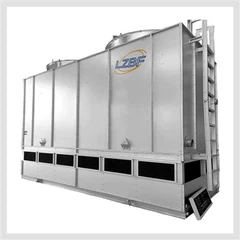
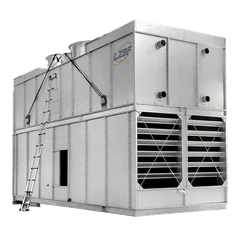
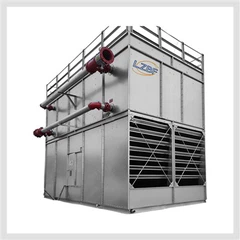
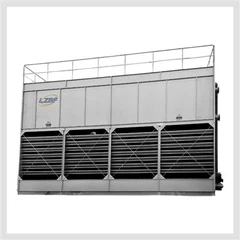

Closed-loop Evaporative Cooler Usage Tips
Jun 18, 2025
Leave a message
In the industrial cooling sector, closed-loop evaporative coolers are the preferred equipment for many companies due to their high efficiency, energy savings, and ease of maintenance. However, to fully realize their performance advantages, proper operation and maintenance are crucial. Below are some practical usage tips to help you optimize equipment efficiency and extend its lifespan.

1. Regularly check water quality
Closed-loop evaporative coolers use circulating water for heat exchange, so water quality directly affects their performance. Hard water or water containing impurities can cause scaling on the heat exchange tubes, reducing heat exchange efficiency. It is recommended to regularly test water quality and, if necessary, install a water softener or add a water stabilizer to prevent scaling and corrosion.
2. Maintain a suitable operating environment
Closed-loop coolers are typically installed outdoors or in well-ventilated areas, but should be protected from direct exposure to extreme weather conditions. High temperatures, high dust levels, or corrosive gases can affect equipment performance. If this is unavoidable, it is recommended to install a protective cover or air purification device to ensure clean incoming air and minimize damage to the heat exchanger.
3. Properly Control Operating Parameters
Adjust cooler operating parameters, such as water flow rate and fan speed, based on actual operating conditions to ensure optimal cooling performance. Excessively lowering the water temperature may increase energy consumption, while excessively high water temperature may affect the heat dissipation efficiency of production equipment. It is recommended to use a monitoring system to adjust parameters in real time to maintain stable cooling performance.
4. Regular Cleaning and Maintenance
Regularly clean the heat exchange tubes, fans, and spray systems to prevent the accumulation of dust, algae, and scale. A clogged spray system can impair cooling efficiency, while dust accumulation on fans can increase energy consumption. A comprehensive inspection is recommended quarterly, and worn parts such as packing, belts, and seals should be replaced as necessary.
5. Monitor System Operating Status
Modern closed-circuit coolers are typically equipped with intelligent control systems that monitor parameters such as temperature, pressure, and flow rate in real time. Regularly reviewing system alarm logs is recommended to identify potential issues and avoid downtime caused by minor faults. Recording operating data also helps analyze equipment performance trends and optimize long-term maintenance plans.
By following these tips, you can ensure efficient and stable operation of your closed-circuit evaporative cooler while reducing maintenance costs. Proper use and maintenance not only extend the life of your equipment but also save your business energy costs and achieve more sustainable production operations.
Send Inquiry