


Assembling A Closed-Circuit Cooling Tower
Aug 31, 2026
Leave a message
Assembling a Closed-Circuit Cooling Tower
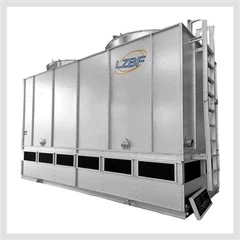
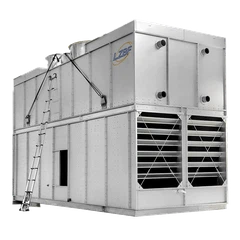
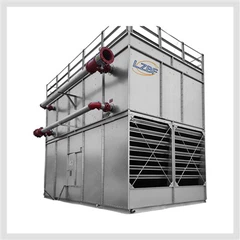
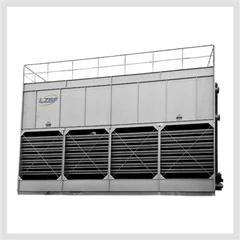
In a corner of the Oasis Bingfeng workshop, Master Zhang is assembling a hybrid flow dual-inlet closed-circuit cooling tower.

This tower type is more complex than the counterflow design. The upper section houses the heat exchange coil area, the lower section holds the fill, and there are air inlets on both sides. Master Zhang is responsible for the coil section installation - every step affects the overall performance of the unit.
When installing the coils, each tube must be positioned with millimeter precision, evenly spaced with no deviation. Once everything is in place, he starts fastening the bolts. Every single one is made of 304 stainless steel - ordinary bolts would rust solid within a few years in coastal environments, but 304 stainless steel won't.

Master Zhang's hands are steady. With over a decade of experience, he can tighten each bolt to just the right torque without needing a torque wrench - not too loose, not over-tightened, just right. This feel isn't something you can learn from a manual.
After all bolts are torqued to standard values, a final check is conducted to ensure every connection is secure and nothing is missed. Once assembly is complete, the tower is moved to the inspection area for hydrostatic testing - only after confirming there are no leaks does it move to the next stage.
A closed-circuit cooling tower - from components to a complete unit - comes together through processes like this, one step at a time.

Send Inquiry