


Comparison Between Z700 Hot-Dip Galvanized Steel and Magnesium-Aluminum-Zinc Coated Steel for Outer Panels of Closed Cooling Towers
Jun 02, 2026
Leave a message

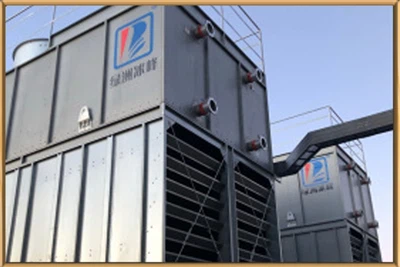
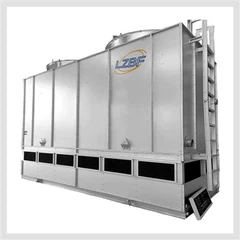
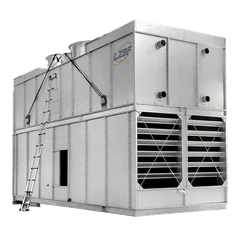
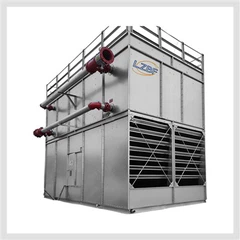
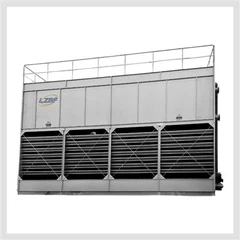
Closed cooling towers are operated outdoors all year round, constantly exposed to circulating water vapor and condensation dew.
In addition, equipment surfaces suffer from rain erosion and condensation caused by large day-night temperature differences; corrosive acid and alkali exhaust gas also exists in some industrial plants.
As key components for structural protection and appearance decoration, outer panels directly determine the service life and overall value retention of cooling tower equipment.
Currently, Z700 heavy hot-dip galvanized steel and magnesium-aluminum-zinc coated steel are two mainstream panel materials in the industry. This paper conducts a comprehensive comparison and targeted material selection suggestions based on actual operating conditions of closed cooling towers.
1. Differences in Material Properties and Anti-Corrosion Mechanisms
 Z700 hot-dip galvanized steel adopts pure zinc hot-dip coating process, with a total double-sided zinc coating weight of 700g/㎡. It protects the steel substrate through sacrificial anode protection of pure zinc coating and isolates air and moisture from contacting the base steel plate.
However, pure zinc coating has an obvious defect: it has no self-healing performance on cutting sections, bending notches and scratch damages generated during processing and on-site installation.
Moisture will invade the steel substrate rapidly from damaged positions, resulting in white rust and subsequent red rust, which is the main reason for rusting at corners and joints of cooling tower outer panels.
Magnesium-aluminum-zinc coated steel adopts ternary alloy coating composed of zinc, aluminum and magnesium, and the conventional specification of 275g/㎡ fully meets the operating requirements of cooling towers.
Featuring excellent incision self-repairing performance, the alloy elements will precipitate automatically to form a dense protective film covering all cutting sections and surface scratches.
Moreover, its compact coating structure provides better moisture penetration resistance than pure zinc coating, making it highly compatible with the high-humidity and heavy condensation working environment of cooling towers.
2. Adaptability Comparison Under Different Working Conditions
For inland dry ordinary industrial plants: Both materials can meet basic service requirements. Benefiting from the ultra-thick zinc layer, Z700 galvanized steel features slow zinc consumption in dry environments, with no obvious corrosion within 8-10 years of operation and prominent cost-performance advantages.

For coastal salt fog areas, chemical plants and sewage treatment plants: The shortcomings of Z700 galvanized steel are fully exposed under harsh corrosive environments.
 The pure zinc coating will be oxidized rapidly under high humidity and salt fog, and continuous red rust will appear at panel joints and punching holes within 3-5 years, damaging equipment appearance and even causing partial sheet metal deformation.
In contrast, magnesium-aluminum-zinc coated steel has over 3 times better salt fog resistance than Z700 galvanized steel and superior acid and alkali corrosion resistance. It can maintain intact surface performance without obvious corrosion for more than 15 years in long-term corrosive environments.
3. Comparison of Procurement Cost, Machinability and Later Maintenance
In terms of initial procurement cost: Under the same plate thickness, magnesium-aluminum-zinc coated steel is 8% to 12% more expensive per square meter than Z700 galvanized steel, leading to a slight increase in upfront manufacturing cost. In terms of processing performance: Both materials support identical bending, punching and profiling processes without upgrading sheet metal processing equipment, causing no impact on production efficiency.

In terms of full-life maintenance cost: The cost gap between the two materials is remarkable. Z700 galvanized steel requires regular anti-rust paint repair for cutting edges and scratches after 5 years of operation, with increasing annual outdoor maintenance costs. Magnesium-aluminum-zinc coated steel realizes maintenance-free operation throughout the whole service life without later anti-corrosion repair, delivering lower comprehensive life-cycle cost.
4. Final Material Selection Recommendations
Projects with limited budget located in inland dry factories: Z700 hot-dip galvanized steel is the preferred option. It satisfies basic anti-corrosion demands and controls overall equipment cost with favorable cost performance.
 Projects in coastal areas, chemical, pharmaceutical, sewage industries and high-end engineering projects:
Magnesium-aluminum-zinc coated steel is mandatory. It avoids later corrosion maintenance troubles and effectively prolongs the overall service life of cooling tower equipment.
General industry matching trend:
Leading cooling tower manufacturers have gradually phased out Z700 galvanized outer panels. Magnesium-aluminum-zinc coated steel has become the mainstream standard configuration for outdoor cooling equipment, which is more suitable for the harsh long-term operating environment of closed cooling towers.
Send Inquiry