


What is the working principle of a dry - wet closed cooling tower?
Nov 06, 2025
Leave a message
As a supplier of Dry - wet Closed Cooling Towers, I am often asked about the working principle of these remarkable pieces of equipment. In this blog, I will delve into the details of how a dry - wet closed cooling tower operates, highlighting its advantages and applications.
Basic Concept of a Dry - wet Closed Cooling Tower
A dry - wet closed cooling tower is a hybrid system that combines the features of both dry and wet cooling methods. It is designed to cool a fluid (usually water or a water - glycol mixture) that circulates in a closed loop. This closed - loop design prevents the fluid from coming into direct contact with the external environment, which is beneficial in many industrial processes where the purity of the fluid needs to be maintained.
The Dry Cooling Process
The dry cooling part of the tower works on the principle of heat transfer through convection and radiation. The hot fluid from the industrial process enters the cooling tower and flows through a series of finned tubes. These tubes are exposed to the ambient air, which is drawn over the tubes by fans. As the air passes over the tubes, it absorbs heat from the fluid inside the tubes, causing the fluid temperature to decrease.
The efficiency of the dry cooling process depends on several factors, including the temperature difference between the fluid and the ambient air, the surface area of the finned tubes, and the air flow rate. A larger temperature difference and a greater surface area of the tubes generally result in more effective heat transfer. However, dry cooling alone may not be sufficient to achieve the desired cooling effect, especially in hot and humid climates.
The Wet Cooling Process
When the dry cooling process is not enough to cool the fluid to the required temperature, the wet cooling process comes into play. In the wet cooling mode, water is sprayed onto the outside of the finned tubes. As the water evaporates, it absorbs a large amount of latent heat from the tubes, further reducing the temperature of the fluid inside.
The evaporation of water is a highly efficient cooling mechanism. The latent heat of vaporization of water is relatively high, which means that a small amount of water evaporation can remove a significant amount of heat. The sprayed water forms a thin film on the surface of the tubes, increasing the heat transfer coefficient between the air, water, and the tubes.
The Combination of Dry and Wet Cooling
The dry - wet closed cooling tower operates in a way that it can switch between dry and wet cooling modes or use them simultaneously, depending on the cooling requirements and the ambient conditions. In mild weather conditions, the tower can operate in dry - only mode, which is more energy - efficient as it does not require the use of water for evaporation. This helps to conserve water and reduce operating costs.
As the ambient temperature rises or the cooling load increases, the tower can gradually introduce the wet cooling process. By combining the two cooling methods, the tower can achieve a high level of cooling efficiency over a wide range of operating conditions. The control system of the tower monitors the temperature of the fluid and the ambient conditions and adjusts the operation of the fans, water pumps, and spray nozzles accordingly.
Advantages of Dry - wet Closed Cooling Towers
One of the main advantages of dry - wet closed cooling towers is water conservation. Compared to traditional open - type wet cooling towers, which continuously lose water through evaporation, dry - wet closed cooling towers can significantly reduce water consumption by operating in dry mode when possible. This is particularly important in regions where water is scarce.
Another advantage is the protection of the cooling fluid. Since the fluid circulates in a closed loop, it is not exposed to contaminants in the atmosphere, such as dust, dirt, and microorganisms. This helps to extend the lifespan of the equipment and reduce maintenance requirements.
Dry - wet closed cooling towers also offer better environmental performance. They produce less noise compared to some other cooling systems, and the reduced water consumption means less wastewater discharge.

Applications of Dry - wet Closed Cooling Towers
Dry - wet closed cooling towers are widely used in various industries. In the power generation industry, they are used to cool the condensers of steam turbines, which helps to improve the efficiency of power plants. In the chemical industry, they are used to cool process fluids in chemical reactors and distillation columns.
In the manufacturing industry, dry - wet closed cooling towers are used for cooling equipment such as injection molding machines, die - casting machines, and metal - working tools. They are also used in the food and beverage industry to cool refrigeration systems and process water.
Product Introduction
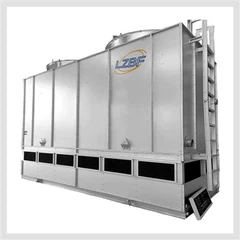
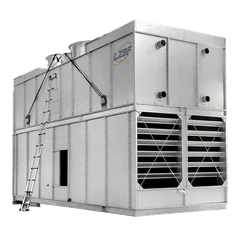
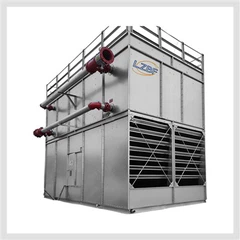
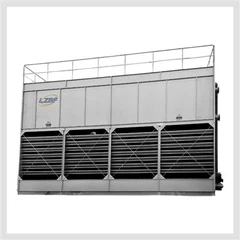
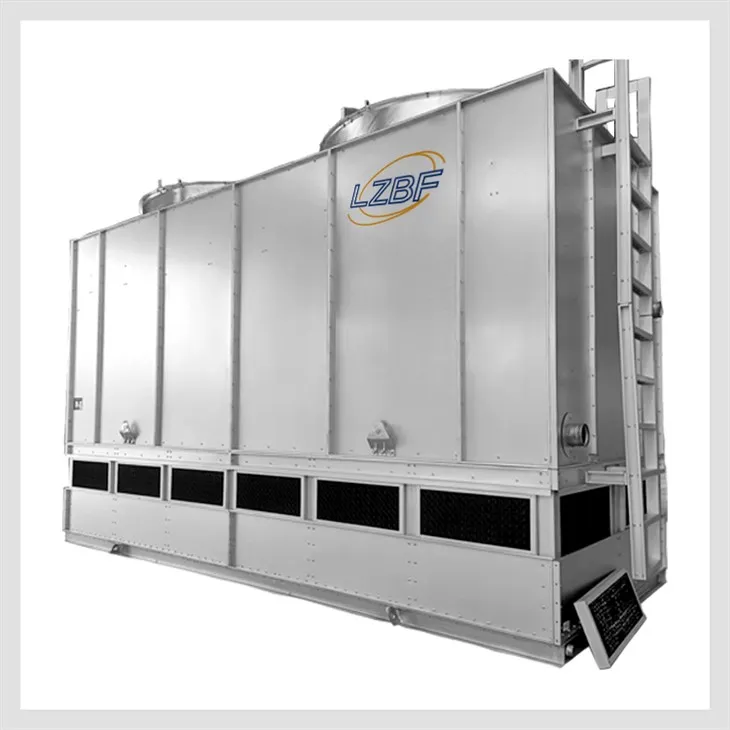
We are a leading supplier of Dry and Wet Closed Cooling Tower. Our products are designed with the latest technology to ensure high efficiency, reliability, and durability. Our Dry and Wet Combined Closed Cooling Tower offers a perfect combination of dry and wet cooling, providing optimal cooling performance in different weather conditions. We also have Closed Circuit Dry Cooling Tower for applications where water conservation is a top priority.
Contact Us for Procurement
If you are interested in our dry - wet closed cooling towers and would like to discuss your specific cooling requirements, please feel free to contact us. Our team of experts is ready to provide you with detailed product information, technical support, and customized solutions. We look forward to the opportunity to work with you and help you achieve your cooling goals.
References
- ASHRAE Handbook - HVAC Systems and Equipment. American Society of Heating, Refrigerating and Air - Conditioning Engineers.
- Cooling Tower Institute. Technical publications on cooling tower design and operation.
- "Principles of Heat Transfer" by Frank Kreith and Raj M. Manglik.
Send Inquiry