


What is the temperature control mechanism in a Composite Closed Cooling Tower?
Dec 24, 2025
Leave a message
As a seasoned supplier of Composite Closed Cooling Towers, I am often asked about the intricate temperature control mechanisms that make our products so efficient and reliable. In this blog post, I will delve into the details of how these systems work, providing you with a comprehensive understanding of the technology behind our cooling towers.
The Basics of a Composite Closed Cooling Tower
Before we explore the temperature control mechanism, let's briefly review the basic components of a Composite Closed Cooling Tower. These towers are designed to cool industrial processes by transferring heat from a hot fluid (usually water) to the surrounding air. The closed-loop design ensures that the process fluid remains separate from the external environment, preventing contamination and reducing water consumption.
The main components of a Composite Closed Cooling Tower include:
- Heat Exchanger: This is where the heat transfer occurs. The hot process fluid flows through the tubes of the heat exchanger, while the cool air and water spray pass over the outside of the tubes, absorbing the heat.
- Fan: The fan is responsible for drawing air into the tower and creating the necessary airflow for heat transfer.
- Water Distribution System: This system sprays water over the heat exchanger to enhance the cooling effect.
- Drift Eliminators: These devices prevent water droplets from being carried out of the tower by the airflow, reducing water loss.
- Sump: The sump collects the water that has been sprayed over the heat exchanger and recirculates it back to the water distribution system.
Temperature Control Mechanisms
Now, let's focus on the temperature control mechanisms in a Composite Closed Cooling Tower. There are several key factors that influence the temperature of the process fluid, and our cooling towers are designed to regulate these factors to maintain a consistent and optimal temperature.
1. Airflow Regulation
The airflow through the cooling tower plays a crucial role in temperature control. By adjusting the speed of the fan, we can control the amount of air that passes over the heat exchanger, thereby regulating the rate of heat transfer. When the process fluid temperature is high, the fan speed can be increased to enhance the cooling effect. Conversely, when the temperature is low, the fan speed can be reduced to conserve energy.
In addition to fan speed, the design of the cooling tower also affects the airflow. Our Composite Closed Cooling Towers are engineered with aerodynamic shapes and optimized air intake and exhaust systems to ensure efficient and uniform airflow distribution. This helps to maximize the heat transfer efficiency and minimize temperature variations across the heat exchanger.


2. Water Flow Control
The water flow rate and distribution also have a significant impact on temperature control. By adjusting the water flow rate, we can control the amount of water that is sprayed over the heat exchanger, which in turn affects the cooling capacity. When the process fluid temperature is high, the water flow rate can be increased to provide more cooling. However, it is important to maintain a proper balance between water flow and airflow to avoid over - wetting the heat exchanger, which can reduce the heat transfer efficiency.
Our cooling towers are equipped with advanced water distribution systems that ensure uniform water coverage over the heat exchanger. These systems use nozzles and distributors to spray the water evenly, maximizing the contact area between the water and the heat exchanger tubes and enhancing the cooling effect.
3. Heat Exchanger Design
The design of the heat exchanger is another critical factor in temperature control. Our Composite Closed Cooling Towers use high - efficiency heat exchangers with large surface areas and optimized tube geometries to maximize the heat transfer rate. The materials used in the heat exchanger also play a role in its performance. We use corrosion - resistant materials such as stainless steel and composite materials to ensure long - term durability and efficient heat transfer.
In addition, the arrangement of the heat exchanger tubes can affect the temperature distribution. Our cooling towers are designed with a counter - flow or cross - flow configuration, which allows for more efficient heat transfer compared to other designs. In a counter - flow configuration, the hot process fluid and the cool air flow in opposite directions, maximizing the temperature difference between the two fluids and enhancing the heat transfer rate.
4. Temperature Sensors and Controls
To ensure precise temperature control, our Composite Closed Cooling Towers are equipped with temperature sensors and advanced control systems. These sensors continuously monitor the temperature of the process fluid and the ambient air, and the control system adjusts the fan speed, water flow rate, and other parameters accordingly.
The control system can be programmed to maintain a specific temperature setpoint or to adjust the cooling capacity based on the process requirements. For example, in some industrial processes, the temperature needs to be maintained within a narrow range to ensure product quality. Our control systems can be customized to meet these specific requirements, providing accurate and reliable temperature control.
Benefits of Our Temperature Control Mechanisms
The advanced temperature control mechanisms in our Composite Closed Cooling Towers offer several benefits for our customers:
- Energy Efficiency: By regulating the airflow and water flow based on the actual temperature requirements, our cooling towers can significantly reduce energy consumption compared to traditional cooling systems. This not only helps to lower operating costs but also contributes to environmental sustainability.
- Consistent Performance: Our precise temperature control ensures that the process fluid temperature remains stable, even under varying operating conditions. This helps to improve the quality and reliability of industrial processes, reducing the risk of product defects and downtime.
- Long - Term Durability: The use of high - quality materials and advanced design features in our cooling towers ensures long - term durability and reliability. Our temperature control mechanisms help to prevent overheating and corrosion, extending the lifespan of the equipment and reducing maintenance costs.
Explore Our Product Range
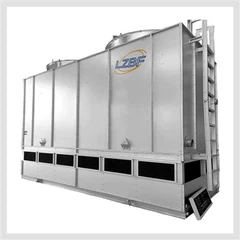
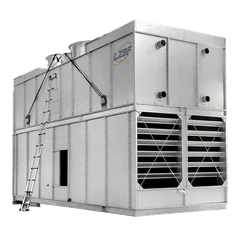
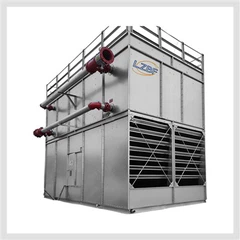
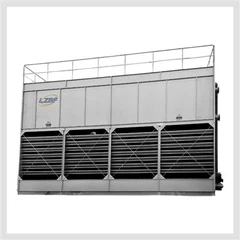
If you are interested in learning more about our Composite Closed Cooling Towers and their temperature control mechanisms, we invite you to explore our product range. You can find detailed information about our A Closed Circuit Cooling Tower, Closed Cell Cooling Tower, and Compact Design Cooling Tower Closed Circuit Coolers on our website.
Contact Us for Procurement
We understand that every industrial process has unique cooling requirements. That's why we offer customized solutions to meet your specific needs. If you are considering purchasing a Composite Closed Cooling Tower, we encourage you to contact us for a detailed consultation. Our team of experts will work closely with you to understand your requirements and recommend the most suitable cooling tower for your application.
References
- ASHRAE Handbook - HVAC Systems and Equipment. American Society of Heating, Refrigerating and Air - Conditioning Engineers.
- Cooling Tower Institute. Technical Manual on Cooling Tower Design and Operation.
Send Inquiry