


What is the optimal water flow rate for evaporative condensers?
Sep 08, 2025
Leave a message
Hey there! As a supplier of Condensadores Evaporativos, I've been getting a lot of questions lately about the optimal water flow rate for evaporative condensers. So, I thought I'd sit down and write this blog to share some insights on this topic.
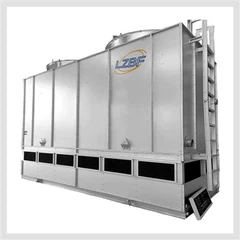
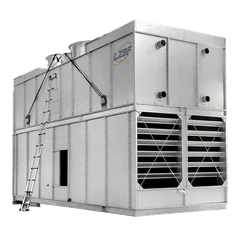
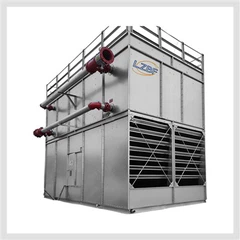
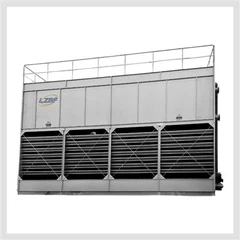
Let's start by understanding what an evaporative condenser is. An evaporative condenser is a heat rejection device that uses the evaporation of water to reject heat from a refrigeration or air - conditioning system. It's a pretty nifty piece of equipment that combines the functions of a condenser and a cooling tower. There are different types of evaporative condensers, like the Indirect Evaporative Condenser, Condensadores Evaporativos, and Evaporative Surface Condenser.
Now, the water flow rate in an evaporative condenser is super important. It plays a crucial role in the overall performance and efficiency of the system. If the water flow rate is too low, there won't be enough water to evaporate and remove the heat effectively. This can lead to higher condensing temperatures, which in turn can cause the compressor to work harder, increasing energy consumption and potentially reducing the lifespan of the equipment.
On the other hand, if the water flow rate is too high, it can lead to excessive water usage. Not only is this wasteful, but it can also cause issues like water carry - over, where water droplets are carried out of the condenser by the air flow. This can result in water damage to the surrounding area and also reduce the efficiency of the condenser.
So, what is the optimal water flow rate? Well, it depends on several factors.
1. Heat Load
The heat load is the amount of heat that the evaporative condenser needs to remove. It's directly related to the size of the refrigeration or air - conditioning system. A larger system will have a higher heat load and will generally require a higher water flow rate. For example, in a small commercial refrigeration system, the heat load might be relatively low, and a water flow rate of around 1 - 2 gallons per minute (GPM) per ton of refrigeration might be sufficient. But in a large industrial system, the heat load can be much higher, and the water flow rate could be 3 - 5 GPM per ton of refrigeration.
2. Ambient Conditions
The ambient temperature and humidity also have a big impact on the optimal water flow rate. In hot and dry conditions, more water will evaporate, so a higher water flow rate might be needed to maintain the cooling effect. Conversely, in cool and humid conditions, less water will evaporate, and a lower water flow rate can be used. For instance, in a desert environment where the temperature can reach over 100°F (38°C) and the humidity is very low, the water flow rate might need to be increased by 20 - 30% compared to a more temperate climate.
3. Condenser Design
The design of the evaporative condenser itself is another factor. Different condensers have different heat transfer surfaces and water distribution systems. Some condensers are designed to be more efficient with a lower water flow rate, while others might require a higher flow rate to operate optimally. For example, a condenser with a larger heat transfer surface area might be able to achieve the same cooling effect with a lower water flow rate compared to a condenser with a smaller surface area.
4. Water Quality
The quality of the water used in the evaporative condenser can also affect the optimal water flow rate. If the water has a high level of minerals or other impurities, it can cause scaling on the heat transfer surfaces. This reduces the efficiency of the condenser and might require a higher water flow rate to compensate for the reduced heat transfer. On the other hand, if the water is of high quality, the condenser can operate more efficiently with a lower water flow rate.
To determine the optimal water flow rate for a specific evaporative condenser, it's a good idea to work with a professional. A qualified HVAC engineer or technician can perform a detailed analysis of the system, taking into account all the factors mentioned above. They can use specialized software and equipment to measure the heat load, ambient conditions, and other parameters, and then calculate the ideal water flow rate.
In addition to these factors, there are also some general guidelines that can help. Most manufacturers provide recommended water flow rates for their evaporative condensers in the product documentation. These guidelines are based on extensive testing and research, so it's a good starting point. However, it's important to note that these are just general recommendations, and the actual optimal water flow rate might need to be adjusted based on the specific operating conditions.
Another thing to keep in mind is that the water flow rate should be monitored and adjusted regularly. As the ambient conditions change throughout the year, and as the system ages, the optimal water flow rate might also change. By regularly monitoring the water flow rate and making adjustments as needed, you can ensure that the evaporative condenser is operating at its peak efficiency.
Now, if you're in the market for an evaporative condenser or you need help optimizing the water flow rate of your existing system, we're here to help. As a leading supplier of Condensadores Evaporativos, we have a wide range of high - quality products and a team of experts who can provide you with the support and advice you need. Whether you're a small business owner or a large industrial operator, we can help you find the right solution for your needs.


If you're interested in learning more or discussing your specific requirements, don't hesitate to reach out. We'd love to have a chat with you and see how we can assist you in getting the most out of your evaporative condenser system.
References
- ASHRAE Handbook - HVAC Systems and Equipment.
- Manufacturer's product documentation for evaporative condensers.
- Technical papers on evaporative condenser performance and water management.
Send Inquiry