


What is the impact of humidity on the performance of a cross - flow closed cooling tower?
Jan 07, 2026
Leave a message
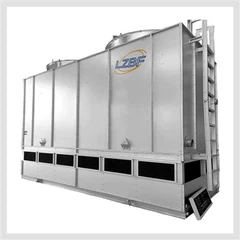
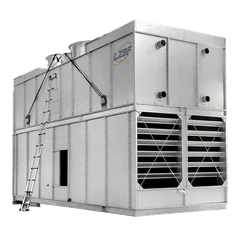
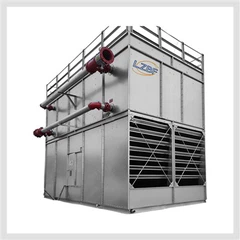
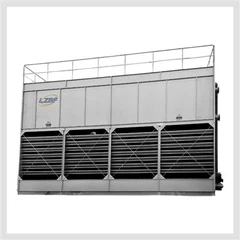
Yo, folks! As a supplier of Cross-flow Closed Cooling Towers, I've seen firsthand how different environmental factors can mess with these cooling towers' performance. One factor that often gets overlooked but has a big impact is humidity. In this blog, I'm gonna break down what humidity is, how it affects the performance of a cross-flow closed cooling tower, and why you should care.
Let's start with the basics. Humidity is all about how much water vapor is floating around in the air. It's usually measured as relative humidity, which tells you what percentage of the air's maximum water-holding capacity is currently filled with water vapor. For example, if the relative humidity is 50%, it means the air is holding half of the water vapor it could potentially hold at that temperature.
Now, you might be wondering, "Why does humidity matter for a cross-flow closed cooling tower?" Well, these cooling towers work by using a combination of air and water to cool down a fluid (usually water or a water-glycol mixture) that's flowing through a closed loop of pipes. The air and water interact in a fill material inside the tower, where heat is transferred from the fluid in the pipes to the water, and then from the water to the air.


When the humidity is low, the air has a lot of capacity to absorb more water vapor. This means that as the water evaporates from the fill material into the air, it can take a lot of heat with it. Evaporative cooling is a super efficient way to get rid of heat, so when the humidity is low, the cross-flow closed cooling tower can work really well. The fluid in the pipes can be cooled down to a temperature that's close to the wet-bulb temperature of the air, which is the lowest temperature that can be achieved through evaporative cooling.
On the other hand, when the humidity is high, the air is already pretty saturated with water vapor. This makes it harder for the water in the fill material to evaporate into the air. Since evaporative cooling is the main way these cooling towers get rid of heat, a high humidity level can really slow down the cooling process. The fluid in the pipes might not get cooled down as much, and the cooling tower might have to work harder to achieve the same level of cooling.
Let's look at some of the specific impacts of high humidity on a cross-flow closed cooling tower:
Reduced Cooling Capacity
As I mentioned earlier, high humidity reduces the effectiveness of evaporative cooling. This means that the cooling tower might not be able to cool the fluid down to the desired temperature. For example, if you're using the cooling tower to cool water for an industrial process that requires the water to be at a certain temperature, high humidity could cause the water temperature to be higher than expected. This could lead to problems with the process, like reduced efficiency or even equipment damage.
Increased Energy Consumption
When the cooling tower has to work harder to achieve the same level of cooling, it uses more energy. The fans that blow air through the tower have to run at a higher speed, and the pumps that circulate the water might have to work harder too. This can lead to higher electricity bills and increased operating costs.
Higher Water Consumption
Since evaporative cooling is less effective in high humidity, the cooling tower might need to use more water to achieve the same level of cooling. This is because more water has to be evaporated to transfer the same amount of heat. Higher water consumption can be a problem, especially in areas where water is scarce or expensive.
Scaling and Corrosion
High humidity can also lead to increased scaling and corrosion inside the cooling tower. When the water evaporates, it leaves behind dissolved minerals and other impurities. In high humidity conditions, where more water has to be evaporated, these impurities can build up more quickly, leading to scaling on the pipes and other components of the cooling tower. Corrosion can also be a problem, especially if the water has a high pH or contains certain chemicals.
So, what can you do to deal with the impact of humidity on your cross-flow closed cooling tower? Here are a few tips:
Monitor Humidity Levels
Keep an eye on the humidity levels in your area, especially during the summer months when humidity tends to be higher. You can use a weather station or a humidity sensor to get accurate readings. By knowing the humidity levels, you can anticipate how the cooling tower will perform and make any necessary adjustments.
Optimize Cooling Tower Operation
Depending on the humidity levels, you might need to adjust the operation of the cooling tower. For example, you might need to increase the fan speed or the water flow rate to improve the cooling performance. You can also consider using a variable frequency drive (VFD) for the fans and pumps, which allows you to adjust the speed based on the actual cooling requirements.
Use Water Treatment
To prevent scaling and corrosion, it's important to use a proper water treatment program. This might include adding chemicals to the water to control the pH, prevent the growth of bacteria and algae, and reduce the buildup of minerals. A good water treatment program can help extend the lifespan of the cooling tower and improve its performance.
Consider Alternative Cooling Technologies
In some cases, it might be worth considering alternative cooling technologies that are less affected by humidity. For example, Dry-wet Closed Cooling Tower combines both dry and wet cooling methods, which can be more effective in high humidity conditions. Another option is a Fluid Cooling System, which uses a different approach to cooling and might be more suitable for your specific application.
At the end of the day, understanding the impact of humidity on your cross-flow closed cooling tower is crucial for ensuring its optimal performance. Whether you're using it for an industrial process, a commercial building, or any other application, high humidity can cause problems if you're not prepared.
If you're in the market for a new cross-flow closed cooling tower or need help optimizing the performance of your existing one, don't hesitate to reach out. We've got a wide range of Closed Circuit Cooler options that can meet your specific needs. Our team of experts can help you choose the right cooling tower and provide you with all the support you need to keep it running smoothly.
Let's have a chat and see how we can work together to solve your cooling challenges. Whether it's dealing with high humidity or any other issue, we're here to help.
References
- ASHRAE Handbook - HVAC Systems and Equipment. American Society of Heating, Refrigerating and Air-Conditioning Engineers.
- Cooling Tower Institute. Technical papers on cooling tower performance and operation.
Send Inquiry