


What is the energy efficiency of a compound closed cooling tower?
Sep 04, 2025
Leave a message
Hey there! As a supplier of Compound Closed Cooling Towers, I often get asked about the energy efficiency of these bad boys. So, I thought I'd take a deep dive into this topic and share everything you need to know.
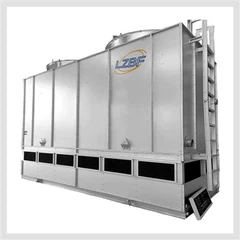
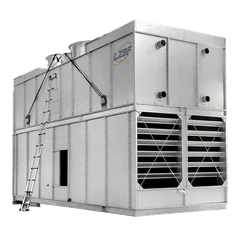
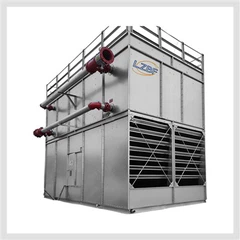
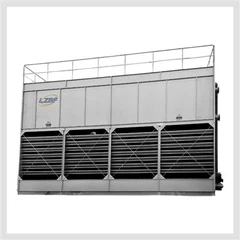
First off, let's understand what a Compound Closed Cooling Tower is. It's a piece of equipment that combines the best of both worlds - the efficiency of an open cooling tower and the protection of a closed system. In simple terms, it uses a combination of air and water to cool a fluid (usually water) that's circulating in a closed loop. This setup helps in preventing contamination of the process fluid and also reduces water loss.
Now, let's talk about energy efficiency. Energy efficiency is all about getting the most out of the energy you put in. In the case of a cooling tower, it means cooling the fluid effectively while using as little energy as possible. There are several factors that contribute to the energy efficiency of a Compound Closed Cooling Tower.
Heat Transfer Efficiency
One of the key factors is the heat transfer efficiency. A well-designed Compound Closed Cooling Tower has a high heat transfer rate, which means it can transfer heat from the hot fluid to the cooling medium (air and water) quickly and effectively. This is achieved through the use of high-quality heat exchangers. These heat exchangers are designed with a large surface area, which allows for more contact between the hot fluid and the cooling medium. As a result, more heat is transferred in a shorter amount of time, reducing the energy required to cool the fluid.


Fan and Pump Efficiency
The fans and pumps in a Compound Closed Cooling Tower also play a crucial role in energy efficiency. The fans are responsible for moving air through the tower, while the pumps circulate the water. High - efficiency fans and pumps use less energy to perform their tasks. For example, modern fans are designed with aerodynamic blades that can move a large volume of air with less power consumption. Similarly, energy - efficient pumps are designed to have a high flow rate with minimal energy input.
Variable Speed Drives
Another great feature that can boost energy efficiency is the use of variable speed drives (VSDs). VSDs allow the fans and pumps to adjust their speed according to the cooling demand. When the cooling load is low, the fans and pumps can run at a lower speed, consuming less energy. On the other hand, when the cooling demand is high, they can ramp up their speed to meet the requirements. This flexibility helps in optimizing energy consumption and reducing operating costs.
Water Management
Proper water management is also essential for energy efficiency. A Compound Closed Cooling Tower recirculates water, but some water is lost due to evaporation. By implementing water conservation measures such as using a water treatment system to prevent scaling and fouling, and by optimizing the water flow rate, we can reduce the amount of makeup water required. This not only saves water but also reduces the energy needed to heat and treat the makeup water.
Comparison with Other Types of Cooling Towers
Let's compare the energy efficiency of a Compound Closed Cooling Tower with other types of cooling towers. For instance, an open cooling tower has a relatively simple design but may not be as energy - efficient as a Compound Closed Cooling Tower. Open cooling towers are more prone to water loss through evaporation, and they also require more maintenance due to the exposure of the water to the environment.
On the other hand, a Closed - circulated Cooling Tower is a closed - loop system, similar to a Compound Closed Cooling Tower. However, a Compound Closed Cooling Tower often has a more advanced design that combines the benefits of different cooling mechanisms, which can result in even higher energy efficiency.
The Induced Draft Closed Circuit Cooling Tower uses an induced draft fan to draw air through the tower. While it can be energy - efficient, a Compound Closed Cooling Tower may offer better performance in terms of heat transfer and overall energy consumption.
The Industrial Closed Circuit Cross Flow Cooling Tower has a cross - flow design, which has its own advantages. But again, a Compound Closed Cooling Tower can provide a more balanced approach to cooling, resulting in improved energy efficiency.
Real - World Benefits
In real - world applications, the energy efficiency of a Compound Closed Cooling Tower can lead to significant cost savings. For industrial facilities that rely on cooling towers for their processes, reducing energy consumption means lower electricity bills. It also has environmental benefits, as less energy consumption translates to a reduced carbon footprint.
How to Choose an Energy - Efficient Compound Closed Cooling Tower
When choosing a Compound Closed Cooling Tower, there are a few things to keep in mind. First, look for a tower with a high - efficiency heat exchanger. You can check the specifications provided by the manufacturer to see the heat transfer rate. Second, inquire about the type of fans and pumps used. High - efficiency models are usually more expensive upfront but can save you a lot of money in the long run. Third, ask if the tower is equipped with variable speed drives. This feature can make a big difference in energy consumption.
If you're in the market for a Compound Closed Cooling Tower and want to learn more about our energy - efficient models, feel free to reach out. We're here to help you choose the right cooling tower for your needs and provide you with all the information you need to make an informed decision. Whether you're running a small business or a large industrial facility, our Compound Closed Cooling Towers can offer you the perfect balance of performance and energy efficiency.
In conclusion, the energy efficiency of a Compound Closed Cooling Tower is determined by multiple factors, including heat transfer efficiency, fan and pump efficiency, the use of variable speed drives, and proper water management. By understanding these factors and choosing the right cooling tower, you can enjoy significant cost savings and environmental benefits. So, don't hesitate to contact us if you're interested in learning more or making a purchase. We're always happy to assist you in finding the best solution for your cooling needs.
References
- ASHRAE Handbook - HVAC Systems and Equipment
- Cooling Tower Institute Publications
- Technical papers on industrial cooling systems
Send Inquiry