


What is the air distribution in an evaporative condensing unit?
Sep 19, 2025
Leave a message
Hey there! As a supplier of Evaporative Condensing Units, I often get asked about air distribution in these units. It's a crucial aspect that can significantly impact the performance and efficiency of the entire system. So, let's dive right in and explore what air distribution in an evaporative condensing unit is all about.
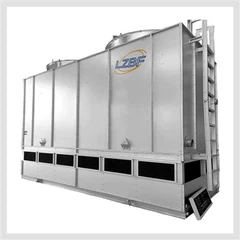
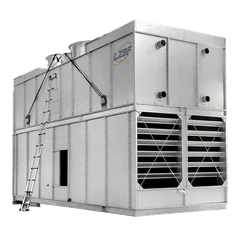
First off, what exactly is an Evaporative Condensing Unit? Well, you can check out more details about it here. These units are designed to reject heat from a refrigeration or air - conditioning system. They use the principle of evaporation to cool the refrigerant, and air plays a vital role in this process.
The basic idea behind air distribution in an evaporative condensing unit is to ensure that the air flows evenly over the condenser coils. This even flow helps in maximizing the heat transfer between the refrigerant inside the coils and the surrounding air - water mixture. When the air doesn't distribute properly, some parts of the coils may not get enough cooling, which can lead to reduced efficiency and increased energy consumption.
There are a few key components involved in the air distribution process. The first one is the fan. Fans are used to draw air into the unit. In most evaporative condensing units, there are either axial or centrifugal fans. Axial fans are more commonly used because they can move a large volume of air at relatively low pressures. They are placed at the top of the unit, which helps in creating an upward draft of air.
As the air is drawn in by the fan, it passes through the water distribution system. The water is sprayed over the condenser coils, and the air helps in evaporating this water. This evaporation process absorbs heat from the refrigerant in the coils, thus cooling it down. The water - air mixture then continues to move upwards and out of the unit.
Another important factor in air distribution is the design of the unit itself. The layout of the condenser coils, the position of the water nozzles, and the overall shape of the unit can all affect how the air flows. For example, a well - designed unit will have the condenser coils arranged in a way that allows the air to pass through them easily without any major obstructions.
One common issue with air distribution is uneven airflow. This can happen due to a variety of reasons. For instance, if the fan is not working properly or if there are blockages in the air intake or exhaust areas. Sometimes, dirt and debris can accumulate on the condenser coils, which can disrupt the airflow. Regular maintenance is essential to prevent these problems. Cleaning the coils and checking the fan operation can go a long way in ensuring proper air distribution.


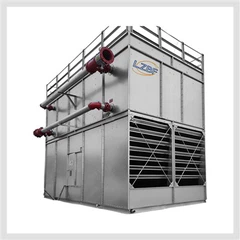
Let's also talk about the different types of condensers related to evaporative condensing units. There's the Evaporative Type Condenser. This type uses the evaporation of water to enhance the heat transfer process. The air distribution in an evaporative type condenser is similar to that in an evaporative condensing unit, but it may have some specific design features to optimize the evaporation process.
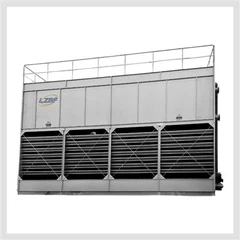
Then there's the Dry - wet Condenser. This condenser combines both dry and wet cooling methods. In the dry section, air is used to cool the refrigerant without the use of water. In the wet section, water evaporation is used for additional cooling. The air distribution in a dry - wet condenser needs to be carefully managed to ensure that both sections work efficiently.
Proper air distribution also has an impact on the environmental performance of the unit. When the air is distributed evenly, the unit can operate more efficiently, which means less energy consumption. This, in turn, reduces the carbon footprint of the system. Additionally, a well - functioning evaporative condensing unit with good air distribution can help in reducing water usage. Since the evaporation process is more efficient, less water is needed to achieve the same level of cooling.
Now, if you're in the market for an evaporative condensing unit, it's important to consider the air distribution capabilities of the unit. A unit with poor air distribution may seem cheaper upfront, but in the long run, it can cost you more in terms of energy bills and maintenance.
As a supplier, I've seen firsthand the difference that proper air distribution can make. We work hard to design our evaporative condensing units to ensure optimal air flow. Our engineers use advanced computer simulations to model the air distribution inside the units and make adjustments as needed.
If you're interested in learning more about our evaporative condensing units or have any questions about air distribution, don't hesitate to reach out. We're always happy to have a chat and help you find the right solution for your needs. Whether you're running a small business or a large industrial facility, we have the expertise to provide you with a high - quality evaporative condensing unit that will perform efficiently and reliably.
In conclusion, air distribution in an evaporative condensing unit is a complex but essential aspect of its operation. By understanding how the air flows and what factors can affect it, you can make an informed decision when purchasing a unit. And if you're looking for a reliable supplier, we're here to assist you every step of the way.
References
- ASHRAE Handbook of Refrigeration. This handbook provides in - depth information on refrigeration systems, including evaporative condensing units and air distribution principles.
- Manufacturer's manuals for evaporative condensing units. These manuals often contain detailed information about the design and operation of the units, including air distribution features.
Send Inquiry