


What are the special considerations for using a closed loop cooling system in a marine setting?
Jan 07, 2026
Leave a message
Hey there! As a supplier of Closed Loop Cooling Systems, I've seen firsthand the unique challenges and special considerations that come with using these systems in a marine setting. In this blog, I'm gonna break down what you need to know if you're thinking about implementing a closed loop cooling system on a ship or any other marine vessel.
Corrosion Resistance
One of the biggest issues in a marine environment is corrosion. Saltwater is extremely corrosive, and it can quickly eat away at the components of a cooling system. When choosing a closed loop cooling system for a marine application, you need to make sure that all the materials used are highly resistant to corrosion.
For example, the pipes in the system should be made of materials like stainless steel or fiberglass-reinforced plastic (FRP). These materials can withstand the harsh saltwater environment without rusting or deteriorating. The heat exchangers also need to be designed with corrosion-resistant materials. Some advanced heat exchangers use special coatings or alloys to protect against saltwater corrosion.
Space Constraints
Space is always at a premium on a ship. Unlike a land-based facility where you might have plenty of room to install a large cooling system, on a marine vessel, you have to work within tight spaces. This means that the closed loop cooling system you choose needs to be compact and efficient.
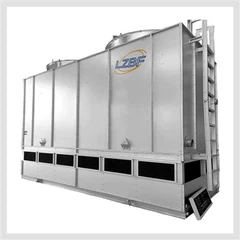
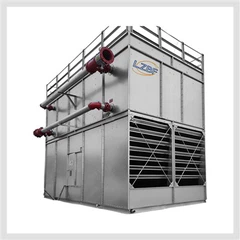
Our Closed Loop Cooling Tower System is designed with this in mind. It's a modular system that can be customized to fit into the available space on a ship. The components are also lightweight, which helps to reduce the overall weight of the vessel. This is important because every extra pound on a ship can affect its fuel efficiency and performance.
Vibration and Shock Resistance
Ships are constantly moving, and they experience a lot of vibration and shock. This can put a lot of stress on the cooling system components. A closed loop cooling system for a marine setting needs to be able to withstand these conditions without breaking down.
The system should be properly mounted and secured to prevent it from shifting or getting damaged during rough seas. The pipes and hoses need to be flexible enough to absorb the vibrations, but also strong enough to maintain their integrity. Our engineers design our systems with shock absorbers and vibration isolation mounts to ensure that they can handle the tough marine environment.
Seawater as a Cooling Medium
In a marine setting, seawater is often used as the cooling medium in the closed loop cooling system. However, seawater has some unique properties that need to be considered.
First of all, seawater contains a lot of impurities, such as sand, silt, and marine organisms. These impurities can clog the pipes and heat exchangers, reducing the efficiency of the cooling system. To prevent this, a proper filtration system needs to be installed at the intake of the seawater.
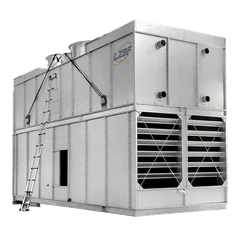
Secondly, the temperature of seawater can vary depending on the location and the season. This means that the cooling system needs to be able to adjust to these temperature changes. Our Indirect Evaporative Air Cooler is designed to work effectively with seawater of different temperatures. It uses advanced control systems to optimize the cooling process based on the seawater temperature.


Maintenance and Serviceability
Maintenance is crucial for the long-term performance of a closed loop cooling system in a marine setting. Since ships are often far from shore, it's important that the system is easy to maintain and service.
The components of the system should be easily accessible for inspection and repair. There should also be clear instructions and diagnostic tools available to help the crew identify and fix any problems. We provide comprehensive training and support to our customers to ensure that they can maintain our systems properly.
Energy Efficiency
Energy efficiency is a major concern on a ship. A closed loop cooling system that consumes a lot of energy can significantly increase the operating costs of the vessel.
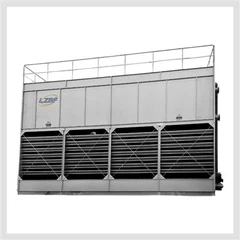
Our Closed Circuit Evaporative Cooling Tower is designed to be highly energy-efficient. It uses advanced evaporative cooling technology to reduce the energy consumption compared to traditional cooling systems. This not only saves money on fuel costs but also reduces the environmental impact of the ship.
Regulatory Compliance
There are a lot of regulations that govern the use of cooling systems on ships. These regulations are in place to protect the marine environment and ensure the safety of the crew.
When choosing a closed loop cooling system for a marine setting, you need to make sure that it complies with all the relevant regulations. Our systems are designed and tested to meet the strictest international standards, so you can be confident that you're using a compliant and environmentally friendly cooling solution.
Conclusion
Using a closed loop cooling system in a marine setting comes with its own set of challenges, but with the right considerations, it can be a highly effective and reliable solution. As a supplier, we're committed to providing high-quality, customized cooling systems that meet the unique needs of the marine industry.
If you're interested in learning more about our closed loop cooling systems or have any questions about using them in a marine setting, don't hesitate to reach out. We're here to help you find the best cooling solution for your vessel. Let's start a conversation and see how we can work together to keep your ship cool and running smoothly.
References
- Marine Engineering Handbook
- International Maritime Organization (IMO) Regulations on Cooling Systems
- Technical Papers on Corrosion Resistance in Marine Environments
Send Inquiry