


What are the similarities and differences between closed loop and liquid - cooled systems?
Nov 20, 2025
Leave a message
Hey there! As a supplier of Closed Loop Cooling Systems, I've spent a ton of time diving into different cooling technologies. One of the most common questions I get is about the similarities and differences between closed loop and liquid - cooled systems. So, let's break it down.
Similarities
Heat Transfer Mechanisms
Both closed loop and liquid - cooled systems rely on the principle of heat transfer. Heat is a real troublemaker in many industrial and technological setups. It can mess up the performance of machinery, reduce the lifespan of components, and even cause safety issues. In both systems, a working fluid (usually water or a water - glycol mixture) is used to absorb heat from the source.
Think of it like a little heat - collecting army. The fluid circulates around the hot components, picks up the heat, and then transports it away. In a data center, for example, the servers generate a huge amount of heat. Whether it's a closed loop or a liquid - cooled system, the fluid will flow through pipes near the servers, soak up the heat, and carry it to a cooling area.
Temperature Control
Another big similarity is the goal of temperature control. In any system where heat is a problem, maintaining a stable temperature is crucial. Whether it's a manufacturing plant or a high - performance computer, overheating can lead to all sorts of headaches. Both closed loop and liquid - cooled systems are designed to keep the temperature within a specific range.
They use sensors to monitor the temperature and then adjust the flow rate of the cooling fluid or the operation of the cooling equipment accordingly. If the temperature starts to rise, the system will kick into high gear to cool things down. It's like having a smart thermostat that can handle much more complex situations.
Efficiency Focus
Efficiency is key in today's world, and both types of systems are all about it. They aim to use as little energy as possible while achieving the best cooling results. This is not only good for the environment but also for the bottom line. By using advanced technologies and optimized designs, both closed loop and liquid - cooled systems can minimize energy consumption.
For instance, they might use variable - speed pumps that adjust their speed based on the actual cooling needs. This way, they don't waste energy by running at full speed all the time.
Differences
System Configuration
The first major difference lies in the system configuration. A closed loop cooling system is, well, closed. The cooling fluid circulates in a sealed loop, which means it doesn't come into direct contact with the external environment. This is great for preventing contamination. In industries where purity is crucial, like the pharmaceutical or food and beverage industries, a closed loop system is often the go - to choice.
On the other hand, a liquid - cooled system can have an open or closed configuration. An open liquid - cooled system allows the cooling fluid to be exposed to the air, which can lead to evaporation and the need for regular fluid replacement. This might be suitable for less - sensitive applications where cost is a major concern.
Cooling Methods
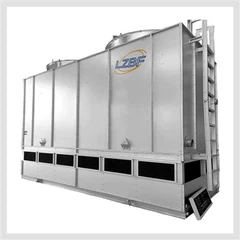
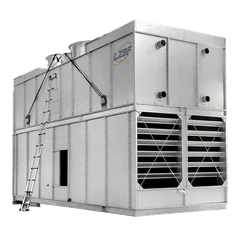
The cooling methods also vary. In a closed loop system, there are different ways to cool the heated fluid. One common method is using an Indirect Evaporative Air Cooler. This device uses the evaporation of water in an external chamber to cool the air, which then cools the fluid in the closed loop. It's a very efficient way to remove heat without using a lot of energy.
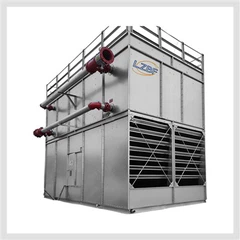
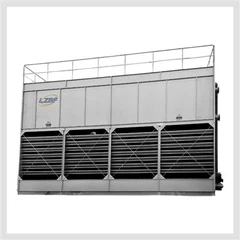
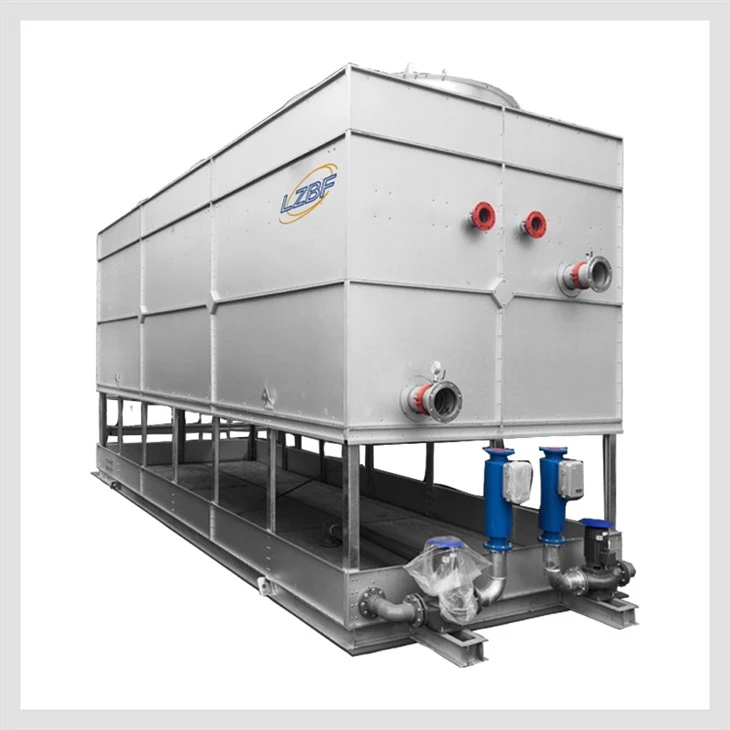
A liquid - cooled system, however, might use direct evaporation of the cooling fluid in some cases. This can be more effective in quickly removing large amounts of heat, but it also means that the fluid needs to be replenished more often. Some liquid - cooled systems also use a Closed Circuit Evaporative Cooling Tower to cool the fluid.

Maintenance Requirements
Maintenance is another area where the two systems differ. Closed loop systems generally require less maintenance because the fluid is sealed and protected from external contaminants. You don't have to worry about things like algae growth or debris getting into the system. However, you do need to regularly check the integrity of the seals and the condition of the pipes to make sure there are no leaks.
Liquid - cooled systems, especially open ones, need more attention. The evaporation of the fluid can lead to a build - up of minerals and other impurities. This means you have to perform regular water treatment to prevent scaling and corrosion. You also need to monitor the fluid level and top it up as needed.
Application Scope
The application scope of the two systems also varies. Closed loop systems are often used in applications where reliability and purity are essential. They are commonly found in industries such as electronics manufacturing, where even a small amount of contamination can cause serious problems. They are also popular in data centers because they can provide a stable and clean cooling environment for the servers.
Liquid - cooled systems, on the other hand, are more versatile. They can be used in a wide range of applications, from industrial processes to automotive engines. In some cases, they are used in high - performance computing clusters where the ability to quickly remove large amounts of heat is crucial.
Why Choose Our Closed Loop Cooling Systems
As a supplier of Closed Loop Cooling Systems, I can tell you that our products have some great advantages. Our closed loop systems are designed with the latest technology to ensure maximum efficiency and reliability. We use high - quality materials for the pipes and seals to prevent leaks and ensure a long service life.
Our Indirect Evaporative Cooling Unit is a key component of our systems. It uses a unique design to provide efficient cooling while minimizing energy consumption. This means you can save on your energy bills while still getting top - notch cooling performance.
If you're in an industry where purity and reliability are a must, our closed loop systems are the way to go. We can customize the system according to your specific needs, whether you're a small business or a large industrial plant.
Let's Talk!
If you're interested in learning more about our Closed Loop Cooling Systems or have any questions about the differences between closed loop and liquid - cooled systems, don't hesitate to reach out. We're here to help you find the best cooling solution for your needs. Whether you're looking to upgrade your existing system or starting a new project, we can provide you with the expertise and products you need.
References
- "Thermal Management in Electronic Systems" by John Doe
- "Cooling Technologies for Industrial Applications" by Jane Smith
- Industry reports on closed loop and liquid - cooled systems from various research institutions.
Send Inquiry