


What are the safety precautions for using a cross - flow closed cooling tower?
Oct 20, 2025
Leave a message
Hey there! As a supplier of Cross-flow Closed Cooling Towers, I've seen firsthand how crucial these machines are in various industrial and commercial settings. They're used to cool down processes by transferring heat from a hot fluid to the atmosphere, and they're super efficient. But like any piece of equipment, using them safely is of utmost importance. So, let's dive into the safety precautions you need to take when using a cross-flow closed cooling tower.
Pre - installation Safety Checks
Before you even start installing the cooling tower, there are a few things you need to look into. First off, make sure the location you've chosen is suitable. The area should be flat and able to support the weight of the cooling tower when it's fully operational. You don't want it tipping over because the ground isn't stable!
Also, check for any potential hazards in the vicinity. There shouldn't be any open flames, electrical sources that could be affected by water splashes, or other equipment that might interfere with the cooling tower's operation. It's a good idea to have a clear perimeter around the tower to prevent accidental collisions.
Installation Safety
When it comes to installation, always follow the manufacturer's instructions. If you're not experienced in installing cooling towers, it's best to hire a professional. They know all the ins and outs and can ensure that everything is set up correctly.
During installation, wear appropriate safety gear. This includes hard hats, safety glasses, and steel - toed boots. You'll be handling heavy parts, and there's a risk of objects falling or sharp edges cutting you. Make sure all the connections are tight and secure. Loose connections can lead to leaks, which not only waste water but can also cause electrical hazards if there are electrical components nearby.
Operational Safety
Once the cooling tower is up and running, there are several safety measures you need to keep in mind. First, regularly inspect the water levels. The cooling tower relies on a proper water supply to function effectively. If the water level is too low, it can cause the tower to overheat, and if it's too high, it can lead to water overflow.
Keep an eye on the temperature and pressure gauges. These will give you an idea of how the tower is performing. If the temperature or pressure is outside the normal range, it could indicate a problem. Don't ignore these warning signs; shut down the tower and investigate the issue.
Another important aspect is the use of chemicals. Many cooling towers use chemicals to prevent the growth of bacteria, algae, and scale. However, these chemicals can be hazardous. Always follow the safety data sheets (SDS) when handling and storing them. Wear gloves and goggles when adding chemicals to the water, and make sure the area is well - ventilated.
Maintenance Safety
Regular maintenance is key to keeping the cooling tower safe and efficient. But maintenance can also be dangerous if not done correctly. Before starting any maintenance work, shut off the power supply to the tower. This will prevent any electrical shocks.
Clean the tower regularly to remove debris, dirt, and scale. Use appropriate cleaning tools and follow the recommended cleaning procedures. When working on the fan or other moving parts, make sure they're completely stopped and locked out to prevent accidental start - up.
Inspect the belts, motors, and other mechanical components for wear and tear. Replace any damaged parts immediately. And don't forget to check the structural integrity of the tower. Look for any signs of corrosion, cracks, or loose bolts.
Safety Precautions for Workers
Workers who are around the cooling tower need to be trained on safety procedures. They should know how to operate the tower safely, what to do in case of an emergency, and how to handle any potential hazards. Provide them with the necessary safety equipment and make sure they use it at all times.


In case of an emergency, such as a fire or a chemical spill, there should be a clear emergency response plan. Workers should know where the emergency exits are, how to use the fire extinguishers, and who to contact in case of an accident.
Additional Safety Tips
- Avoid overloading the cooling tower. Make sure it's sized correctly for the application. Overloading can lead to reduced efficiency and increased safety risks.
- Keep the area around the cooling tower clean and free of clutter. This will make it easier to access the tower for maintenance and also reduce the risk of tripping hazards.
- Check the weather conditions. High winds, heavy rain, or extreme temperatures can affect the cooling tower's performance. In case of severe weather, it might be necessary to shut down the tower to prevent damage.
Why Our Cross - flow Closed Cooling Towers are a Great Choice
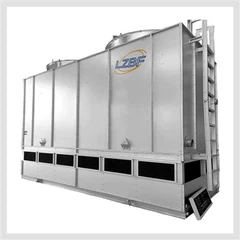
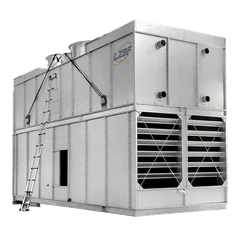
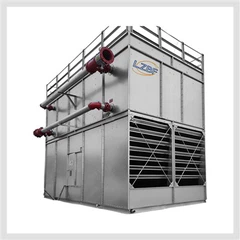
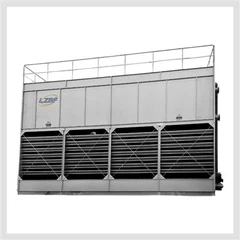
Our Close Circuit Cooling Towers are designed with safety in mind. They come with advanced safety features such as automatic shut - off systems in case of abnormal temperature or pressure. Our A Closed Circuit Cooling Tower is built to last, with high - quality materials that resist corrosion and wear. And our Indirect Evaporative Cooling Tower provides efficient cooling while minimizing the use of water and energy.
If you're in the market for a cross - flow closed cooling tower, we'd love to talk to you. Whether you're a small business or a large industrial facility, we have the right solution for you. Contact us today to discuss your needs and get a quote. Our team of experts is ready to help you make the best choice for your cooling requirements.
References
- Cooling Tower Institute (CTI) Standards
- Occupational Safety and Health Administration (OSHA) Guidelines for Cooling Tower Safety
- Manufacturer's Manuals for Cross - flow Closed Cooling Towers
Send Inquiry