


How to maintain the water level in a crossflow closed cooling tower?
Sep 16, 2025
Leave a message
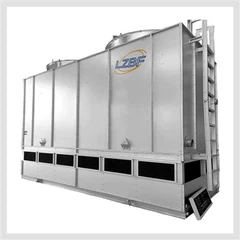
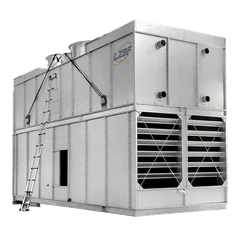
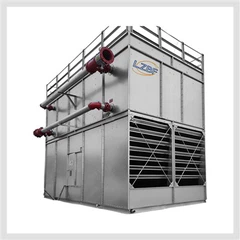
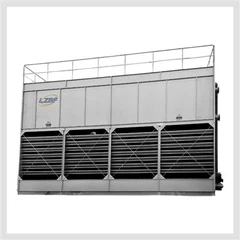
Hey there! As a supplier of Crossflow Closed Cooling Towers, I've seen firsthand how crucial it is to maintain the water level in these systems. A proper water level ensures the cooling tower operates efficiently and effectively, preventing costly breakdowns and extending the lifespan of the equipment. In this blog post, I'll share some tips on how to maintain the water level in a crossflow closed cooling tower.
Understanding the Basics of a Crossflow Closed Cooling Tower
Before we dive into the maintenance tips, let's quickly go over how a crossflow closed cooling tower works. In a crossflow design, the air flows horizontally across the water as it cascades down through the fill media. The closed - circuit aspect means that the process fluid (usually water) is contained within a coil, and the cooling is achieved through indirect contact with the ambient air and a secondary water spray system.
The water level in the basin of the cooling tower is a key factor. If it's too low, the pump may run dry, leading to damage. If it's too high, water may overflow, causing water waste and potential damage to the surrounding area.
Regular Inspections
The first step in maintaining the water level is to conduct regular inspections. I recommend checking the water level at least once a week, more often if the cooling tower is operating in a high - demand environment.
During the inspection, visually check the water level in the basin. Most cooling towers have a sight glass or a water level indicator that makes this easy. If the water level is below the recommended level, it's time to add water. If it's above, you may need to drain some water.


Automatic Water Level Control Systems
Investing in an automatic water level control system can be a game - changer. These systems use sensors to monitor the water level in the basin and automatically add or drain water as needed.
There are different types of automatic control systems available. Float valves are a common and cost - effective option. A float is attached to a valve, and as the water level rises or falls, the float moves, opening or closing the valve to regulate the water flow.
Another option is a digital water level controller. These controllers offer more precise control and can be integrated with the overall cooling tower control system. They can also provide real - time data on the water level, which is great for remote monitoring. You can learn more about closed - circuit cooling systems that may come with such advanced features on our Closed Circuit Cooling System page.
Water Make - up System
A reliable water make - up system is essential for maintaining the water level. The make - up system is responsible for adding water to the cooling tower basin to replace the water lost through evaporation, drift, and blowdown.
The make - up water source should be clean and free of contaminants. If the water quality is poor, it can lead to scale buildup, corrosion, and biological growth in the cooling tower. Consider using a water treatment system to ensure the make - up water meets the required quality standards.
When sizing the make - up system, it's important to consider the evaporation rate of the cooling tower. The evaporation rate depends on factors such as the ambient temperature, humidity, and the cooling load. A general rule of thumb is that for every 10°F (5.6°C) of cooling, about 1% of the water in the system is lost to evaporation.
Monitoring Evaporation and Drift Losses
Evaporation and drift are two major causes of water loss in a cooling tower. Evaporation occurs as the warm water in the tower is cooled by the ambient air. Drift is the small droplets of water that are carried out of the tower by the air stream.
To monitor evaporation losses, you can use a simple water meter on the make - up water line. By measuring the amount of water added to the tower over a period of time, you can estimate the evaporation rate.
Reducing drift losses is also important. Installing drift eliminators can significantly reduce the amount of water lost as drift. Drift eliminators are designed to capture the water droplets and return them to the basin. You can find some great options in our Closed Circuit Cooler range, which are designed with efficient drift - reducing features.
Blowdown Management
Blowdown is the process of removing a portion of the water from the cooling tower basin to prevent the buildup of dissolved solids. As water evaporates, the concentration of dissolved solids in the remaining water increases. If not managed properly, these solids can cause scale and corrosion.
The frequency and amount of blowdown depend on the water quality and the operating conditions of the cooling tower. A water treatment professional can help you determine the optimal blowdown schedule. It's important to note that blowdown also results in water loss, so you need to factor this into your water level management plan.
Preventing Leaks
Leaks can also cause a drop in the water level. Regularly inspect the cooling tower for any signs of leaks, such as wet spots around the basin, pipes, or joints. If you find a leak, repair it as soon as possible.
Common causes of leaks include damaged gaskets, cracked pipes, and corrosion. Using high - quality materials and proper installation techniques can help prevent leaks. For example, our Compact Design Cooling Tower Closed Circuit Coolers are built with durable materials and precision engineering to minimize the risk of leaks.
Training and Staff Awareness
Finally, make sure your staff is trained on the proper procedures for maintaining the water level in the cooling tower. They should know how to conduct inspections, operate the automatic water level control system, and respond to any issues that arise.
Regular training sessions can help keep the staff informed about the latest best practices in cooling tower maintenance. Encourage them to report any problems or concerns immediately so that they can be addressed promptly.
Conclusion
Maintaining the water level in a crossflow closed cooling tower is essential for its efficient and reliable operation. By conducting regular inspections, using automatic water level control systems, monitoring evaporation and drift losses, managing blowdown, preventing leaks, and training your staff, you can ensure that your cooling tower operates at its best.
If you're in the market for a new crossflow closed cooling tower or need help with the maintenance of your existing one, don't hesitate to reach out. We're always here to assist you with all your cooling tower needs. Whether you have questions about water level management or any other aspect of cooling tower operation, our team of experts is ready to help. Contact us today to start a conversation about your specific requirements.
References
- Cooling Tower Institute (CTI) - Technical standards and guidelines for cooling tower operation and maintenance.
- ASHRAE (American Society of Heating, Refrigerating and Air - Conditioning Engineers) - Publications on HVAC and cooling tower systems.
Send Inquiry