


How to improve the heat transfer efficiency of Condensadores Evaporativos?
Jan 21, 2026
Leave a message
Hey there! As a supplier of Condensadores Evaporativos, I've seen firsthand how crucial heat transfer efficiency is in these systems. In this blog, I'll share some practical tips on how to boost the heat transfer efficiency of Condensadores Evaporativos.
Understanding Condensadores Evaporativos
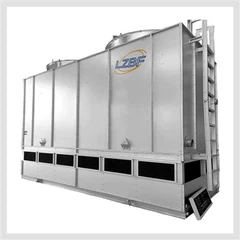
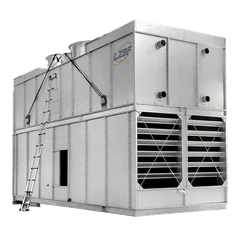
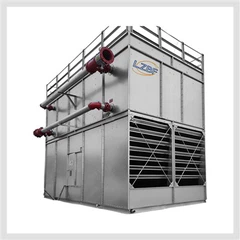
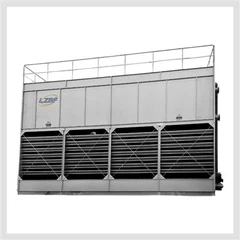
Before we dive into the ways to improve efficiency, let's quickly understand what Condensadores Evaporativos are. Condensadores Evaporativos, also known as Evaporative Condenser Cooling Tower, are heat exchangers that use the evaporation of water to remove heat from a refrigerant. They're widely used in industrial and commercial applications because they're energy - efficient and can handle large heat loads.
One popular type is the Recold Evaporative Condenser, which has its own unique design features to enhance performance. You can learn more about these condensers on our website Condensadores Evaporativo.
1. Proper Water Management
Water is a key element in the operation of Condensadores Evaporativos. The first step to improving heat transfer efficiency is to manage the water properly.
- Water Quality: Poor water quality can lead to scaling, fouling, and corrosion in the condenser. Scale deposits act as an insulator, reducing the heat transfer rate. To prevent this, use water treatment systems. Filtration systems can remove suspended solids, while chemical treatment can control the pH level and prevent the growth of bacteria and algae. For example, adding a scale inhibitor can significantly reduce scale formation on the heat transfer surfaces.
- Water Flow Rate: Maintaining the right water flow rate is crucial. If the water flow rate is too low, the evaporation process will be inefficient, and the heat transfer will suffer. On the other hand, an excessive flow rate can waste water and energy. Regularly monitor the water flow rate and adjust it according to the load requirements of the condenser. You can use flow meters to accurately measure the flow and make necessary adjustments.
2. Airflow Optimization
Air plays a vital role in the evaporation process of Condensadores Evaporativos. Optimizing the airflow can greatly improve heat transfer efficiency.
- Fan Maintenance: The fans in the condenser are responsible for drawing in fresh air and expelling the warm, moist air. Make sure the fans are in good working condition. Check for any signs of wear and tear, such as loose blades or a malfunctioning motor. Clean the fan blades regularly to remove dirt and debris, which can affect the fan's performance. A well - maintained fan can ensure a steady and sufficient airflow through the condenser.
- Air Inlet and Outlet Design: The design of the air inlet and outlet also matters. Ensure that there are no obstructions around the air inlet. Obstructions can disrupt the airflow and cause uneven distribution of air inside the condenser. Similarly, the air outlet should be properly sized and positioned to allow for smooth expulsion of the warm air. Consider the layout of the condenser in the installation area and make sure there is enough space for proper air circulation.
3. Coil Maintenance
The coils in the Condensadores Evaporativos are where the actual heat transfer takes place. Keeping the coils clean and in good condition is essential for high efficiency.
- Regular Cleaning: Over time, the coils can accumulate dirt, dust, and other contaminants. This can reduce the heat transfer coefficient and increase the pressure drop across the coils. Use appropriate cleaning methods to remove these contaminants. You can use soft - bristle brushes or low - pressure water sprays to clean the coils. Avoid using high - pressure water, as it can damage the fins on the coils.
- Coil Inspection: Regularly inspect the coils for any signs of damage, such as bent fins or leaks. Bent fins can disrupt the airflow and reduce the heat transfer area. If you find bent fins, you can use a fin comb to straighten them. Leaks in the coils can lead to refrigerant loss and a decrease in performance. If a leak is detected, it should be repaired immediately.
4. Refrigerant Management
The refrigerant is the medium that transfers heat in the condenser. Proper refrigerant management is necessary for optimal heat transfer.
- Refrigerant Charge: Ensure that the condenser has the correct refrigerant charge. An under - charged system will have reduced cooling capacity, while an over - charged system can cause high pressures and increased energy consumption. Use refrigerant gauges to measure the pressure and temperature of the refrigerant and determine if the charge is correct. If necessary, add or remove refrigerant according to the manufacturer's specifications.
- Refrigerant Quality: The quality of the refrigerant also affects the heat transfer performance. Contaminated refrigerant can cause problems such as reduced heat transfer efficiency and compressor damage. Use high - quality refrigerant and follow proper handling procedures to prevent contamination.
5. System Monitoring and Control
Monitoring and controlling the Condensadores Evaporativos system is an ongoing process to ensure long - term efficiency.
- Install Sensors: Install sensors in the system to monitor parameters such as temperature, pressure, and flow rate. These sensors can provide real - time data, which can be used to detect any potential problems early. For example, if the temperature of the refrigerant leaving the condenser is higher than normal, it could indicate a problem with the heat transfer process.
- Automated Control Systems: Implement automated control systems to adjust the operation of the condenser based on the monitored data. These systems can optimize the water flow rate, fan speed, and other parameters in response to changes in the load. For instance, when the load on the condenser decreases, the control system can reduce the fan speed and water flow rate to save energy.
6. Regular Inspections and Maintenance Schedule
Establish a regular inspection and maintenance schedule for the Condensadores Evaporativos. This can help identify and address any issues before they become major problems.


- Monthly Checks: Conduct monthly checks on the water quality, airflow, and coil condition. Check the water treatment system to ensure it's working properly. Inspect the fans and coils for any signs of damage or dirt.
- Annual Maintenance: Perform a more comprehensive annual maintenance. This may include a complete cleaning of the condenser, a refrigerant system check, and a review of the control system settings. Annual maintenance can help extend the lifespan of the condenser and keep it operating at peak efficiency.
Conclusion
Improving the heat transfer efficiency of Condensadores Evaporativos requires a combination of proper water management, airflow optimization, coil maintenance, refrigerant management, system monitoring, and regular maintenance. By following these tips, you can not only enhance the performance of your condenser but also save energy and reduce operating costs.
If you're interested in learning more about our Condensadores Evaporativos or need help with improving the efficiency of your existing system, don't hesitate to reach out. We're here to assist you with all your condenser needs and can provide you with professional advice and solutions.
References
- "Evaporative Condenser Handbook" - A comprehensive guide on the design, operation, and maintenance of evaporative condensers.
- "Heat Transfer Principles in Industrial Refrigeration" - An academic resource that explains the fundamental principles of heat transfer in refrigeration systems, including condensadores evaporativos.
Send Inquiry