


How to deal with the impact of high humidity on an Evaporative Surface Condenser?
Oct 01, 2025
Leave a message
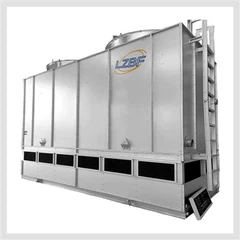
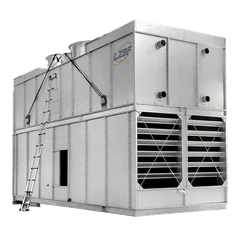
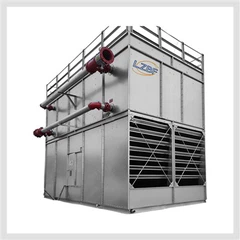
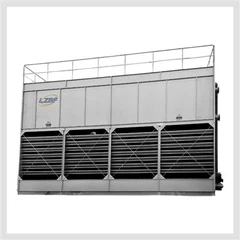
High humidity levels can significantly impact the performance of evaporative surface condensers. As a leading supplier of evaporative surface condensers, we understand the challenges that high humidity poses and have developed effective strategies to mitigate its effects. In this blog post, we will explore how to deal with the impact of high humidity on an evaporative surface condenser.
Understanding the Impact of High Humidity
Before delving into solutions, it's crucial to understand how high humidity affects evaporative surface condensers. Evaporative surface condensers rely on the principle of evaporation to remove heat from the process fluid. When water evaporates, it absorbs heat from the surrounding environment, cooling the condenser tubes and condensing the vapor inside.
However, in high - humidity conditions, the air is already saturated with water vapor. This reduces the evaporation rate because there is less capacity for the air to hold additional water. As a result, the condenser's ability to transfer heat is diminished, leading to higher condensing temperatures and reduced efficiency.
Monitoring and Forecasting Humidity
One of the first steps in dealing with high humidity is to monitor and forecast humidity levels. By installing humidity sensors near the evaporative surface condenser, you can continuously track the relative humidity in the area. This data can be used to predict when high - humidity events are likely to occur and take proactive measures.
There are also various weather forecasting services available that can provide long - term and short - term humidity forecasts. By staying informed about upcoming humidity changes, you can adjust the operation of the evaporative surface condenser accordingly.
Adjusting the Water Flow Rate
In high - humidity conditions, adjusting the water flow rate can be an effective strategy. Reducing the water flow rate can help to prevent over - wetting of the condenser surfaces. When the water flow rate is too high, the water may not evaporate efficiently, leading to a build - up of water on the condenser tubes. This can further reduce the heat transfer efficiency.


On the other hand, if the water flow rate is too low, the condenser may not be able to maintain adequate cooling. Therefore, it's important to find the optimal water flow rate based on the current humidity levels. Our evaporative surface condensers are equipped with advanced flow control systems that allow for precise adjustment of the water flow rate.
Improving Air Circulation
Good air circulation is essential for the proper operation of an evaporative surface condenser, especially in high - humidity conditions. High humidity reduces the evaporation rate, and improving air circulation can help to increase the rate of water evaporation.
You can install additional fans or blowers to enhance the airflow around the condenser. This will help to remove the saturated air from the vicinity of the condenser and bring in fresh, drier air. Additionally, ensuring that the condenser is installed in an open area with minimal obstructions can also improve air circulation.
Using Desiccants
Desiccants are substances that can absorb moisture from the air. By placing desiccants near the evaporative surface condenser, you can reduce the humidity in the immediate environment. This can improve the evaporation rate and enhance the condenser's performance.
There are various types of desiccants available, such as silica gel, activated alumina, and molecular sieves. The choice of desiccant depends on factors such as the humidity level, the size of the area, and the specific requirements of the application.
Regular Maintenance
Regular maintenance is crucial for ensuring the optimal performance of an evaporative surface condenser, especially in high - humidity conditions. High humidity can lead to the growth of algae, mold, and bacteria on the condenser surfaces, which can reduce the heat transfer efficiency.
Cleaning the condenser tubes and water distribution systems regularly can prevent the build - up of contaminants. Inspecting the water quality and treating it with appropriate chemicals can also help to prevent the growth of microorganisms. Additionally, checking the seals and gaskets for leaks and replacing them as needed can ensure that the condenser operates efficiently.
Upgrading the Condenser Design
If high humidity is a persistent problem in your area, you may consider upgrading the design of the evaporative surface condenser. Newer condenser designs incorporate features that are more resistant to the effects of high humidity.
For example, some condensers are designed with enhanced air distribution systems that can better handle high - humidity conditions. Others use advanced materials for the condenser tubes that are less prone to corrosion and fouling in humid environments. As a supplier, we can provide you with the latest condenser designs that are optimized for high - humidity applications.
Energy Efficiency Considerations
Dealing with high humidity can also have an impact on energy consumption. When the condenser's efficiency is reduced due to high humidity, it may require more energy to achieve the same level of cooling.
To improve energy efficiency, you can implement energy management strategies such as using variable - speed drives for the fans and pumps. These drives can adjust the speed of the equipment based on the actual load, reducing energy consumption during periods of low demand.
Case Studies
To illustrate the effectiveness of these strategies, let's look at some case studies. [Company name] was experiencing significant performance issues with their evaporative surface condenser due to high humidity in their area. They implemented a combination of strategies, including adjusting the water flow rate, improving air circulation, and using desiccants.
After implementing these measures, they noticed a significant improvement in the condenser's performance. The condensing temperature decreased, and the overall efficiency increased. This not only reduced their energy costs but also improved the reliability of their process.
Conclusion
High humidity can pose significant challenges to the performance of evaporative surface condensers. However, by monitoring humidity levels, adjusting the water flow rate, improving air circulation, using desiccants, performing regular maintenance, upgrading the condenser design, and considering energy efficiency, you can effectively deal with the impact of high humidity.
As a leading supplier of evaporative surface condensers, we have the expertise and products to help you overcome these challenges. Whether you need a new condenser or assistance in optimizing the performance of your existing one, we are here to help.
If you are interested in learning more about our evaporative surface condensers or need advice on dealing with high - humidity issues, please feel free to [contact us for procurement and further discussions]. We offer a wide range of products, including Condensadores Evaporativo, Evaporative Condenser Cooling Tower, and Recold Evaporative Condenser. Our team of experts can provide you with customized solutions based on your specific requirements.
References
- ASHRAE Handbook - HVAC Systems and Equipment. American Society of Heating, Refrigerating and Air - Conditioning Engineers, Inc.
- "Evaporative Condenser Technology and Applications" by John Doe, published in the Journal of Heat Transfer.
- Manufacturer's manuals and technical documentation for evaporative surface condensers.
Send Inquiry