


How to control the temperature and pressure in evaporative condensers?
Dec 23, 2025
Leave a message
Controlling the temperature and pressure in evaporative condensers is crucial for their efficient operation. As a supplier of Condensadores Evaporativo, I've seen firsthand how proper control can significantly enhance performance and reduce energy costs. In this blog, I'll share some practical tips on how to achieve optimal temperature and pressure control in evaporative condensers.
Understanding the Basics of Evaporative Condensers
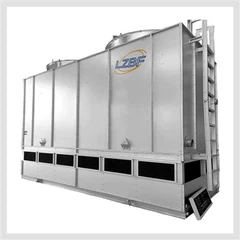
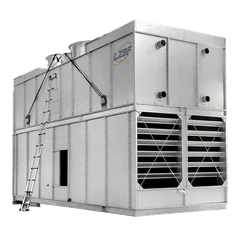
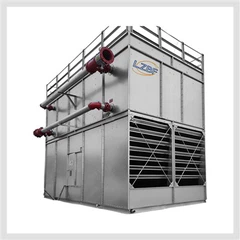
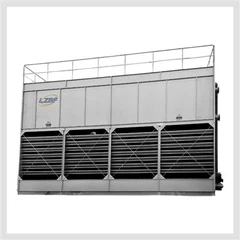
Before diving into control strategies, let's quickly review how evaporative condensers work. An Evaporative Condensing Unit combines the functions of a condenser and a cooling tower. It uses the evaporation of water to remove heat from the refrigerant vapor, condensing it back into a liquid state. The basic components include a coil where the refrigerant flows, a water distribution system, a fan to draw air through the unit, and a sump to collect the water.


Importance of Temperature and Pressure Control
Maintaining the right temperature and pressure in an evaporative condenser is vital for several reasons. Firstly, it ensures the efficient transfer of heat from the refrigerant to the surrounding environment. If the temperature is too high or the pressure is off, the heat transfer rate can decrease, leading to reduced system efficiency and increased energy consumption. Secondly, proper control helps prevent equipment damage. Excessive pressure can cause leaks, while extreme temperatures can affect the integrity of the condenser coil and other components.
Controlling Temperature
1. Water Flow Regulation
One of the most effective ways to control the temperature in an evaporative condenser is by regulating the water flow. The water sprayed on the condenser coil cools the refrigerant through evaporation. By adjusting the flow rate, you can control the amount of heat removed. If the temperature is too high, increasing the water flow can enhance the evaporation rate, thus lowering the temperature. Conversely, if the temperature is too low, reducing the water flow can prevent over - cooling.
2. Airflow Management
The airflow through the evaporative condenser also plays a key role in temperature control. The fan speed can be adjusted to regulate the amount of air passing over the wet coil. A higher fan speed increases the evaporation rate, which helps in reducing the temperature. However, it's important to find the right balance. Running the fan at full speed all the time can increase energy consumption. Some modern evaporative condensers come with variable - speed fans that can adjust the airflow based on the temperature requirements.
3. Monitoring Ambient Conditions
The ambient temperature and humidity have a significant impact on the performance of an evaporative condenser. On hot and dry days, the evaporation rate is higher, and the condenser can remove more heat. On the other hand, on humid days, the evaporation rate decreases, making it harder to cool the refrigerant. By monitoring the ambient conditions, you can make appropriate adjustments to the water flow and airflow to maintain the desired temperature.
Controlling Pressure
1. Refrigerant Charge Level
The refrigerant charge level in the evaporative condenser directly affects the pressure. If there is too much refrigerant, the pressure will increase, and if there is too little, the pressure will drop. Regularly checking and maintaining the correct refrigerant charge is essential. This can be done by using a pressure gauge and referring to the manufacturer's specifications for the optimal charge level.
2. Condenser Coil Maintenance
A dirty or clogged condenser coil can restrict the flow of refrigerant, causing an increase in pressure. Regular cleaning of the coil is necessary to ensure proper refrigerant flow. This involves removing dirt, debris, and scale buildup from the coil surface. Additionally, checking for any physical damage to the coil, such as leaks or dents, is important as these can also affect the pressure.
3. Pressure Relief Valves
Installing pressure relief valves is a safety measure to prevent excessive pressure in the evaporative condenser. These valves are designed to open when the pressure exceeds a certain limit, releasing some of the refrigerant and reducing the pressure. Regularly checking the functionality of these valves is crucial to ensure they work effectively in case of a pressure spike.
Integrated Control Systems
Many modern evaporative condensers come with integrated control systems that can automatically adjust the water flow, airflow, and refrigerant charge based on the temperature and pressure readings. These systems use sensors to monitor the conditions inside the condenser and make real - time adjustments to optimize performance. Investing in such a control system can save a lot of time and effort in manual adjustments and also improve the overall efficiency of the evaporative condenser.
Benefits of Proper Temperature and Pressure Control
Proper control of temperature and pressure in evaporative condensers offers several benefits. It improves energy efficiency, reducing the overall operating costs. It also extends the lifespan of the equipment by preventing excessive wear and tear due to improper operating conditions. Moreover, it ensures a more consistent and reliable performance, which is crucial for industrial and commercial applications.
Conclusion
Controlling the temperature and pressure in evaporative condensers is a combination of proper equipment maintenance, smart control strategies, and monitoring the operating conditions. As a Condensadores Evaporativo supplier, I know that a well - controlled evaporative condenser can provide significant cost savings and improved performance. If you're looking for high - quality evaporative condensers or need advice on temperature and pressure control, feel free to get in touch. Our team of experts is ready to help you find the best solutions for your specific needs.
References
- Various industry manuals on evaporative condensers
- Technical papers on heat transfer and refrigeration systems
Send Inquiry