


How to choose the right location for installing a compound closed cooling tower?
Dec 10, 2025
Leave a message
When it comes to installing a compound closed cooling tower, choosing the right location is a critical decision that can significantly impact its performance, efficiency, and longevity. As a supplier of high - quality compound closed cooling towers, I understand the importance of this choice and am here to guide you through the process.
1. Environmental Considerations
Air Quality
The air quality around the installation site is of utmost importance. Cooling towers rely on air circulation to dissipate heat. If the air is contaminated with dust, dirt, chemicals, or other pollutants, it can clog the cooling tower's components, such as the fill media and heat exchangers. This not only reduces the cooling efficiency but also increases the maintenance requirements. For example, in industrial areas where there are high levels of particulate matter or chemical emissions, it is advisable to install the cooling tower in a location that is up - wind from the pollution sources.
Humidity
High humidity can affect the cooling capacity of a compound closed cooling tower. In areas with consistently high humidity, the evaporation process, which is a key part of the cooling mechanism, becomes less effective. As a result, the cooling tower may struggle to achieve the desired cooling temperatures. When selecting a location, it is beneficial to choose an area with relatively lower humidity levels or ensure proper ventilation to reduce the impact of humidity. For instance, a location on a hilltop or an open area with good air movement can help mitigate the effects of high humidity.
Temperature
The ambient temperature of the installation site also plays a crucial role. Cooling towers work by transferring heat from the hot water or fluid to the surrounding air. In regions with extremely high ambient temperatures, the cooling tower has to work harder to achieve the same level of cooling. Therefore, it is advisable to install the cooling tower in a shaded area or a location where the ambient temperature is relatively lower. This can improve the energy efficiency of the cooling tower and reduce the operating costs.
2. Space Requirements
Adequate Clearance
A compound closed cooling tower requires sufficient space for proper installation and operation. There should be enough clearance around the tower for maintenance activities, such as accessing the pumps, fans, and heat exchangers. A general rule of thumb is to provide at least 3 - 5 feet of clearance on all sides of the cooling tower. This allows maintenance personnel to move freely and perform necessary inspections and repairs without any hindrance.


Vertical Clearance
In addition to the horizontal clearance, vertical clearance is also essential. The cooling tower's fans need to discharge the hot air upwards, and there should be no obstructions above the tower. A minimum vertical clearance of 10 - 15 feet is recommended to ensure proper air flow. Obstructions such as low - hanging branches, buildings, or other structures can disrupt the air flow and reduce the cooling efficiency of the tower.
Space for Piping and Electrical Connections
The installation site should also have enough space for the piping and electrical connections. The piping system needs to be installed in a way that minimizes bends and restrictions to ensure smooth flow of water or fluid. Similarly, the electrical connections should be easily accessible and protected from the elements. It is advisable to plan the layout of the piping and electrical systems in advance to avoid any last - minute complications.
3. Structural Considerations
Foundation Strength
The cooling tower is a heavy piece of equipment, and it requires a strong and stable foundation. The foundation should be able to support the weight of the cooling tower, as well as the water and any additional loads during operation. Before installation, a geotechnical analysis of the soil at the installation site should be conducted to determine the appropriate foundation design. In some cases, a reinforced concrete foundation may be required to ensure the stability of the cooling tower.
Vibration and Noise
Cooling towers can generate vibration and noise during operation. It is important to choose a location where the vibration and noise will not cause any problems to nearby buildings, equipment, or people. The cooling tower should be installed on a vibration - isolating platform to reduce the transmission of vibration. Additionally, the location should be far enough from sensitive areas such as residential buildings, hospitals, or schools to minimize the noise impact.
4. Accessibility
Access for Maintenance
Easy access for maintenance is crucial for the long - term performance of the cooling tower. The installation site should be easily reachable by maintenance vehicles and personnel. There should be a clear path to the cooling tower, free from any obstacles. This allows maintenance teams to quickly respond to any issues and perform routine maintenance tasks, such as cleaning, lubrication, and component replacement.
Access for Water and Power Supply
The cooling tower requires a reliable water and power supply. The installation site should be located in close proximity to the water source and the electrical grid. This reduces the length of the piping and electrical cables, minimizing the energy losses and installation costs. Additionally, easy access to the water and power supply ensures that the cooling tower can operate continuously without any interruptions.
5. Compatibility with Existing Systems
Integration with HVAC or Industrial Processes
If the cooling tower is to be integrated with an existing HVAC system or industrial process, the installation location should be chosen to facilitate this integration. The piping and control systems need to be properly connected to ensure seamless operation. For example, if the cooling tower is part of a large - scale industrial cooling system, it should be located close to the equipment that requires cooling to minimize the pressure drop in the piping system.
Product Recommendations
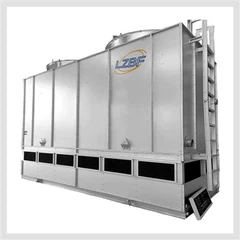
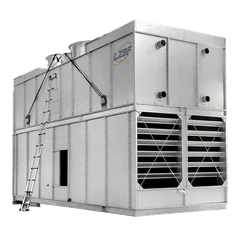
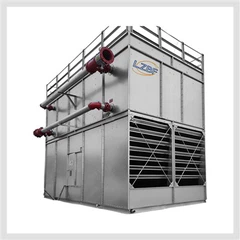
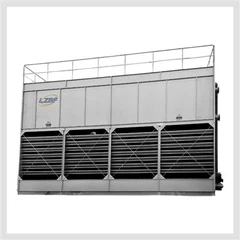
As a supplier, we offer a range of high - quality compound closed cooling towers, including Composite Closed Type Cooling Tower, Split - type Dry - wet Closed Cooling Tower, and Recold Closed Circuit Cooling Tower. These products are designed to meet the diverse needs of different industries and applications.
Conclusion
Choosing the right location for installing a compound closed cooling tower is a complex process that requires careful consideration of various factors. By taking into account environmental conditions, space requirements, structural considerations, accessibility, and compatibility with existing systems, you can ensure the optimal performance and efficiency of your cooling tower. If you are in the process of selecting a location for a cooling tower or have any questions about our products, please feel free to contact us for further assistance and to discuss your procurement needs.
References
- ASHRAE Handbook - HVAC Systems and Equipment. American Society of Heating, Refrigerating and Air - Conditioning Engineers.
- Cooling Tower Institute (CTI) Standards and Guidelines.
- Manufacturer's Installation and Operation Manuals for Compound Closed Cooling Towers.
Send Inquiry