


How does the wind direction affect the operation of a compound closed cooling tower?
Aug 29, 2025
Leave a message
Hey there! As a supplier of Compound Closed Cooling Towers, I've seen firsthand how various factors can impact their operation. One crucial element that often gets overlooked is the wind direction. In this blog, I'll break down how wind direction affects the performance of these cooling towers and why it's essential to consider it during installation and operation.
Understanding Compound Closed Cooling Towers
Before we dive into the effects of wind direction, let's quickly go over what a compound closed cooling tower is. These towers are designed to cool industrial processes by using a combination of air and water. They have a closed-loop system where the process fluid circulates inside tubes, and the heat is transferred to the outside environment through a combination of evaporation and convection.


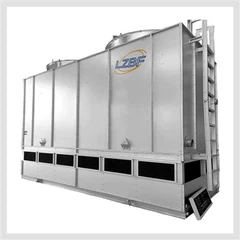
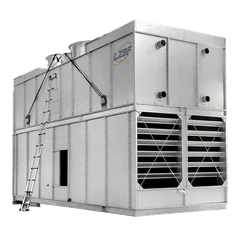
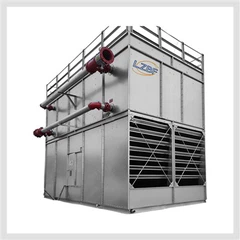
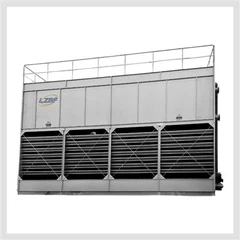
There are different types of compound closed cooling towers available, such as Closed Circuit Dry Cooling Towers, Cross Flow Stainless Steel Closed Circuit Evaporative Cooling Cooler, and Steel Structure Industrial Closed Circuit Cooling Towers. Each type has its own unique features and benefits, but they all rely on the proper flow of air and water to function efficiently.
How Wind Direction Affects Cooling Tower Performance
The wind direction can have a significant impact on the operation of a compound closed cooling tower. Here are some of the key ways it can affect performance:
Airflow Distribution
One of the most critical factors in cooling tower performance is the proper distribution of airflow. The wind can either help or hinder this process. When the wind blows in the right direction, it can enhance the natural draft of the cooling tower, increasing the airflow through the tower and improving the heat transfer efficiency. On the other hand, if the wind blows against the tower's intake or exhaust, it can disrupt the airflow pattern, reducing the cooling capacity and increasing energy consumption.
For example, if the wind is blowing directly into the intake of the cooling tower, it can create a "blockage" effect, preventing fresh air from entering the tower. This can lead to a decrease in the amount of air available for cooling, resulting in higher outlet water temperatures and reduced cooling efficiency. Similarly, if the wind is blowing against the exhaust of the tower, it can create backpressure, making it more difficult for the hot air to escape. This can also lead to a decrease in cooling performance and an increase in energy consumption.
Evaporation Rate
The wind direction can also affect the evaporation rate in the cooling tower. Evaporation is a crucial part of the cooling process, as it helps to remove heat from the water. When the wind blows across the water surface in the tower, it can increase the evaporation rate by carrying away the water vapor and creating a lower vapor pressure above the water. This allows more water to evaporate, which in turn helps to cool the water more effectively.
However, if the wind is blowing in the wrong direction, it can reduce the evaporation rate. For example, if the wind is blowing parallel to the water surface, it may not create enough turbulence to carry away the water vapor, resulting in a lower evaporation rate. This can lead to higher outlet water temperatures and reduced cooling efficiency.
Drift Loss
Drift loss is another important consideration when it comes to cooling tower operation. Drift refers to the small droplets of water that are carried out of the cooling tower by the airflow. While some drift loss is inevitable, excessive drift can lead to water waste, environmental pollution, and damage to nearby equipment.
The wind direction can have a significant impact on the amount of drift loss. When the wind blows in the right direction, it can help to carry the drift away from the tower and disperse it over a larger area, reducing the concentration of water droplets in the air. On the other hand, if the wind is blowing towards nearby buildings or equipment, it can increase the risk of drift deposition, leading to potential damage and maintenance issues.
Mitigating the Effects of Wind Direction
So, what can you do to mitigate the effects of wind direction on your compound closed cooling tower? Here are some tips:
Proper Site Selection
One of the most important steps in ensuring optimal cooling tower performance is to choose the right site for installation. When selecting a site, consider the prevailing wind direction in the area. Try to position the cooling tower so that the wind blows in a direction that enhances the natural draft and airflow through the tower. Avoid placing the tower in areas where it may be exposed to strong crosswinds or where the wind may be blocked by nearby buildings or structures.
Windbreaks
If it's not possible to choose a site with an ideal wind direction, you can consider installing windbreaks around the cooling tower. Windbreaks are structures that are designed to block or redirect the wind, reducing its impact on the tower. They can be made of various materials, such as wood, metal, or plastic, and can be installed on one or more sides of the tower.
Tower Design
The design of the cooling tower itself can also play a role in mitigating the effects of wind direction. Some cooling towers are designed with features that help to improve airflow distribution and reduce the impact of wind. For example, some towers have adjustable louvers or dampers that can be used to control the airflow and prevent wind from entering the tower at the wrong angle. Others have special drift eliminators that are designed to reduce drift loss and prevent water droplets from being carried out of the tower by the wind.
Conclusion
As you can see, the wind direction can have a significant impact on the operation of a compound closed cooling tower. By understanding how wind direction affects cooling tower performance and taking steps to mitigate its effects, you can ensure that your cooling tower operates efficiently and effectively.
If you're in the market for a compound closed cooling tower, or if you have any questions about how wind direction may affect your existing tower, please don't hesitate to contact us. We're here to help you find the right cooling solution for your needs and ensure that it operates at its best.
References
- Cooling Tower Institute. (n.d.). Cooling Tower Basics. Retrieved from [Website URL]
- ASHRAE. (2019). ASHRAE Handbook - HVAC Applications. Atlanta, GA: American Society of Heating, Refrigerating and Air-Conditioning Engineers.
- Perry, R. H., & Green, D. W. (Eds.). (2008). Perry's Chemical Engineers' Handbook (8th ed.). New York, NY: McGraw-Hill.
Send Inquiry