


How does a Closed System Cooling Tower prevent scale formation?
Dec 16, 2025
Leave a message
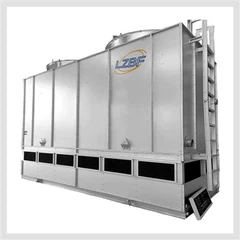
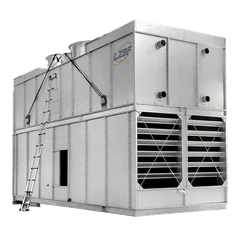
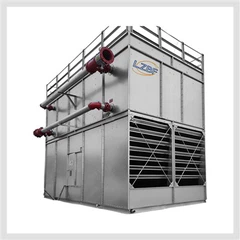
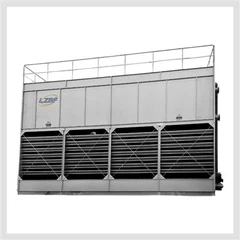
In the industrial landscape, closed system cooling towers play a pivotal role in ensuring the efficient operation of various processes. As a leading supplier of Closed System Cooling Towers, we understand the critical challenges that come with maintaining these systems, especially the issue of scale formation. Scale formation can significantly reduce the efficiency of a cooling tower, increase energy consumption, and even lead to equipment damage over time. In this blog, we will explore how our Closed System Cooling Towers prevent scale formation, ensuring optimal performance and longevity.


Understanding Scale Formation
Before delving into the prevention methods, it's essential to understand what scale formation is and why it occurs. Scale is a hard, mineral - based deposit that accumulates on the surfaces of pipes, heat exchangers, and other components within a cooling system. It is primarily formed when the solubility of certain minerals in water is exceeded. In a cooling tower, water evaporates during the cooling process, leaving behind dissolved minerals such as calcium, magnesium, and silica. As the concentration of these minerals increases, they can precipitate out of the water and form scale.
Factors that contribute to scale formation include high water hardness, high temperatures, high pH levels, and low water flow rates. If left unaddressed, scale can act as an insulator, reducing the heat transfer efficiency of the cooling system. This means that the system has to work harder to achieve the same cooling effect, leading to increased energy costs and potential wear and tear on the equipment.
Our Closed System Cooling Tower Design Features
One of the key ways our Closed System Cooling Towers prevent scale formation is through their innovative design. Our cooling towers are engineered with features that minimize the conditions conducive to scale buildup.
1. Efficient Water Distribution
Proper water distribution is crucial in preventing scale formation. Our cooling towers are equipped with advanced water distribution systems that ensure an even flow of water across the heat exchanger surfaces. This uniform distribution helps to maintain consistent water flow rates, reducing the likelihood of stagnant areas where minerals can accumulate and form scale. By ensuring that water is constantly moving, we can prevent the concentration of minerals in specific areas and promote a more balanced mineral distribution throughout the system.
2. High - Quality Heat Exchangers
The heat exchangers in our Closed System Cooling Towers are made from high - quality materials that are resistant to scale formation. We use materials with smooth surfaces that are less likely to attract and hold mineral deposits. Additionally, the design of our heat exchangers promotes turbulent flow, which helps to prevent the adhesion of scale particles. Turbulent flow creates a dynamic environment where minerals are less likely to settle and form a solid layer on the heat exchanger surfaces.
3. Closed - Loop Design
Our Closed System Cooling Towers operate on a closed - loop principle, which means that the cooling water is contained within a sealed system. This design reduces the exposure of the water to external contaminants and air, which can contribute to scale formation. In an open - loop system, the water is constantly in contact with the atmosphere, which can introduce dust, debris, and additional minerals into the water. In our closed - loop system, the water is recycled and reused, minimizing the need for makeup water and reducing the overall mineral load in the system.
Water Treatment Solutions
In addition to our design features, we also offer comprehensive water treatment solutions to prevent scale formation in our Closed System Cooling Towers.
1. Chemical Treatment
We use a variety of chemical treatments to control the mineral content of the cooling water. One of the most common chemicals used is a scale inhibitor. Scale inhibitors work by preventing the precipitation of minerals from the water. They do this by binding to the mineral ions, preventing them from coming together to form solid crystals. Our chemical treatment programs are tailored to the specific water quality and operating conditions of each cooling tower system. We regularly monitor the water chemistry to ensure that the correct dosage of chemicals is being used and to make any necessary adjustments.
2. Filtration Systems
Filtration is an important part of our water treatment strategy. Our Closed System Cooling Towers are equipped with advanced filtration systems that remove suspended solids, debris, and some of the dissolved minerals from the water. By removing these particles, we can reduce the potential for scale formation. Our filtration systems are designed to be highly efficient, with the ability to capture even small particles. Regular maintenance of the filtration systems is essential to ensure their continued effectiveness.
3. pH Control
Maintaining the correct pH level in the cooling water is crucial for preventing scale formation. Most minerals are more likely to precipitate out of water at high pH levels. Our water treatment programs include pH control measures to keep the pH of the cooling water within an optimal range. We use pH - adjusting chemicals to ensure that the water remains slightly acidic, which helps to keep the minerals in solution and prevents them from forming scale.
Monitoring and Maintenance
To ensure the long - term prevention of scale formation, we emphasize the importance of regular monitoring and maintenance of our Closed System Cooling Towers.
1. Water Quality Monitoring
We provide our customers with detailed water quality monitoring services. Our technicians regularly collect water samples from the cooling system and analyze them for various parameters, including mineral content, pH, and conductivity. By closely monitoring these parameters, we can detect any changes in the water quality that may indicate a potential for scale formation. If any issues are detected, we can take proactive measures to address them before they become a significant problem.
2. Equipment Inspection and Cleaning
Regular inspection and cleaning of the cooling tower components are essential for preventing scale buildup. Our maintenance teams conduct routine inspections of the heat exchangers, water distribution systems, and other critical components to check for any signs of scale formation. If scale is detected, we use specialized cleaning methods to remove it. These methods may include chemical cleaning, mechanical cleaning, or a combination of both. By keeping the components clean, we can ensure that the cooling system operates at peak efficiency.
Conclusion
As a supplier of Closed System Cooling Towers, we are committed to providing our customers with solutions that prevent scale formation and ensure the long - term efficiency of their cooling systems. Our innovative design features, comprehensive water treatment solutions, and emphasis on monitoring and maintenance all work together to minimize the risk of scale buildup.
If you are interested in learning more about our Closed System Cooling Towers and how they can prevent scale formation in your industrial processes, we encourage you to reach out to us. We offer a range of products, including the Closed Circuit Cooling System, Industrial Closed Circuit Cross Flow Cooler, and Closed Circuit Cooling Water System. Contact us today to discuss your specific requirements and explore how our solutions can benefit your business.
References
- "Cooling Tower Fundamentals" by the Cooling Technology Institute.
- "Industrial Water Treatment Handbook" by BetzDearborn.
- "Scale and Corrosion Control in Cooling Water Systems" by Nalco Company.
Send Inquiry