


Can an indirect cooler be used outdoors?
Sep 09, 2025
Leave a message
Can an indirect cooler be used outdoors? This is a question that many customers often ask us, as a leading indirect cooler supplier. In this blog post, I'll delve into the feasibility, benefits, and considerations of using indirect coolers outdoors, and how our products can meet your outdoor cooling needs.
Understanding Indirect Coolers
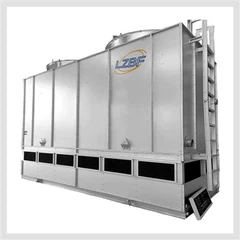
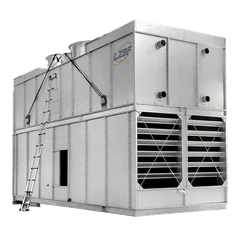
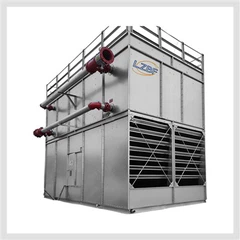
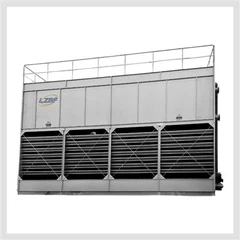
Before discussing outdoor use, it's essential to understand what an indirect cooler is. An indirect cooler, also known as an Indirect Cooling Unit, operates on the principle of evaporative cooling without directly adding moisture to the cooled air. It uses a heat exchanger to transfer heat from the hot air to a cooling medium, typically water. The water then evaporates, dissipating the heat and cooling the air on the other side of the heat exchanger. This process is different from direct evaporative cooling, where water is directly added to the air to cool it. You can learn more about the differences between these two systems in our Direct and Indirect Evaporative Cooling System guide.
Feasibility of Outdoor Use
The short answer is yes, an indirect cooler can be used outdoors. In fact, outdoor applications are one of the key areas where indirect coolers shine. Unlike direct evaporative coolers, which are less effective in high - humidity environments, indirect coolers can maintain their cooling efficiency regardless of the ambient humidity. This makes them suitable for a wide range of outdoor settings, from industrial yards to outdoor event venues.
One of the main advantages of using an indirect cooler outdoors is its ability to provide a consistent and comfortable cooling effect. In outdoor spaces, the temperature can vary significantly throughout the day, and direct sunlight can cause localized hotspots. Indirect coolers can effectively counteract these temperature variations by continuously cooling the surrounding air. They can also be integrated into a Closed Loop Cooling System, which is ideal for outdoor applications where a closed and controlled cooling environment is required.
Benefits of Using Indirect Coolers Outdoors
- Energy Efficiency: Indirect coolers are highly energy - efficient compared to traditional air - conditioning systems. They use less electricity because the main energy consumption is for circulating the water and air through the heat exchanger. This makes them a cost - effective solution for large outdoor areas where running traditional air - conditioning units would be prohibitively expensive.
- Low Maintenance: Our indirect coolers are designed with simplicity and durability in mind. They have fewer moving parts compared to complex air - conditioning systems, which means less wear and tear and lower maintenance requirements. This is especially important for outdoor applications, where the equipment may be exposed to harsh environmental conditions.
- Environmentally Friendly: Evaporative cooling is a natural and environmentally friendly process. Indirect coolers use water as the primary cooling medium, which is a renewable resource. They also do not use harmful refrigerants, which contribute to ozone depletion and global warming.
- Improved Air Quality: Indirect coolers constantly circulate and filter the outdoor air. This helps to remove dust, pollen, and other airborne particles, improving the overall air quality in the outdoor space. This is beneficial for both human health and the performance of sensitive equipment in industrial outdoor settings.
Considerations for Outdoor Use
While indirect coolers are suitable for outdoor use, there are some considerations to keep in mind.
- Location: The location of the indirect cooler is crucial. It should be placed in an area with good air circulation to ensure efficient operation. Avoid placing it in areas where the air intake can be blocked by obstacles or where the exhaust air can recirculate back into the intake.
- Weather Conditions: Extreme weather conditions can affect the performance of the indirect cooler. In very cold weather, the water in the cooling system may freeze, which can damage the equipment. In such cases, additional insulation or a freeze - protection system may be required. On the other hand, in extremely hot and dry conditions, the water evaporation rate may be too high, leading to increased water consumption.
- Water Supply: Indirect coolers require a continuous supply of water. In outdoor applications, it's important to ensure a reliable water source. You may need to install a water storage tank or connect the cooler to a municipal water supply. Additionally, the water quality should be monitored and treated to prevent the growth of algae and bacteria in the cooling system.
Our Indirect Cooler Solutions for Outdoor Use
As an indirect cooler supplier, we offer a range of products specifically designed for outdoor applications. Our indirect coolers are built with high - quality materials that can withstand harsh outdoor conditions. They are also customizable to meet the specific cooling requirements of different outdoor spaces.
For industrial outdoor areas, such as factories, warehouses, and construction sites, our large - capacity indirect coolers can provide effective cooling for large volumes of air. They can be integrated into existing ventilation systems or used as standalone units.


For outdoor event venues, such as concert halls, sports stadiums, and outdoor weddings, our compact and portable indirect coolers can be easily installed and moved around as needed. They can create a comfortable environment for guests, even in the hottest weather.
Contact Us for Outdoor Cooling Solutions
If you're considering using an indirect cooler for your outdoor space, we'd love to hear from you. Our team of experts can provide you with detailed information about our products, offer customized solutions based on your specific needs, and assist you with the installation and maintenance process. Whether you're looking to cool a small outdoor patio or a large industrial complex, we have the right indirect cooler solution for you.
References
- ASHRAE Handbook of Fundamentals. American Society of Heating, Refrigerating and Air - Conditioning Engineers.
- Evaporative Cooling Technology: Principles and Applications. A technical report on evaporative cooling systems.
Send Inquiry