


Can a crossflow closed cooling tower be used in a chemical plant?
Jan 19, 2026
Leave a message
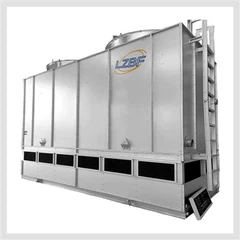
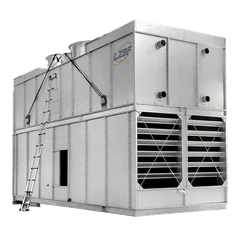
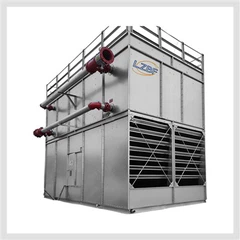
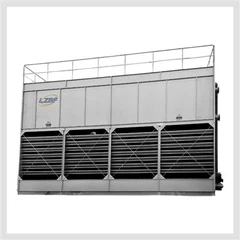
Yo, folks! I'm a supplier of Crossflow Closed Cooling Towers, and today I wanna chat about whether a crossflow closed cooling tower can be used in a chemical plant. It's a pretty hot topic in our industry, so let's dive right in.
First off, let's talk about what a crossflow closed cooling tower is. In simple terms, it's a device that cools down water or other fluids by using the principle of heat transfer. The crossflow design means that the air and the fluid flow perpendicular to each other, which allows for efficient heat exchange. And the "closed" part is crucial - it means that the fluid being cooled is kept separate from the external environment, preventing contamination and reducing water loss.
Now, let's get to the big question: Can it be used in a chemical plant? The answer is a resounding yes! And here's why.
1. Contamination Control
Chemical plants deal with all sorts of hazardous and corrosive substances. The closed - loop system of a crossflow closed cooling tower is a game - changer here. Since the process fluid is enclosed within the system, there's no chance of it getting contaminated by external pollutants like dirt, dust, or airborne chemicals. This is super important because any contamination could mess up the chemical processes and lead to product quality issues or even equipment failures. For example, in a plant that produces pharmaceuticals, even the slightest contamination in the cooling fluid could render the final product unusable.


2. Corrosion Resistance
Chemical environments are often highly corrosive. Metals can rust, and other materials can degrade quickly if not properly protected. Crossflow closed cooling towers can be made with corrosion - resistant materials such as stainless steel, fiberglass, or special coatings. These materials can withstand the harsh chemicals present in a chemical plant, ensuring a longer lifespan for the cooling tower. For instance, if a plant is working with acids or alkalis, a tower made from a corrosion - resistant alloy can prevent leaks and structural damage.
3. Energy Efficiency
In today's world, energy efficiency is a top priority for every industry, including chemical plants. Crossflow closed cooling towers are designed to be energy - efficient. They use air and water to cool the fluid, and the design allows for optimal heat transfer with minimal energy consumption. This can lead to significant cost savings for chemical plants in the long run. For example, by reducing the energy needed to cool the process fluids, a plant can lower its electricity bills and also reduce its carbon footprint.
4. Flexibility
Chemical plants have a variety of processes that require different cooling requirements. Crossflow closed cooling towers offer a high degree of flexibility. They can be customized to meet the specific needs of a chemical plant in terms of cooling capacity, temperature control, and pressure requirements. Whether it's a small - scale operation or a large - scale industrial plant, these cooling towers can be adjusted to fit the bill.
5. Water Conservation
Water is a valuable resource, and chemical plants use a lot of it. Crossflow closed cooling towers help in conserving water. Since the cooling fluid is recycled within the closed loop, there's very little water loss due to evaporation or drift. This is not only good for the environment but also helps the plant save on water costs.
Types of Cooling Towers
There are also other types of cooling towers that might be relevant in some chemical plant setups. You can check out our Closed Circuit Dry Cooling Tower, which is a great option when you want to minimize water usage completely. It uses air alone to cool the fluid. Then there's the Basic Closed Circuit Water Cooler for more straightforward cooling needs. And for a more advanced option, the Composite Flow Closed Cooling Tower combines different cooling mechanisms for optimal performance.
Challenges and Considerations
Of course, it's not all sunshine and rainbows. There are some challenges and considerations when using a crossflow closed cooling tower in a chemical plant.
Maintenance
Regular maintenance is essential. The internal components of the cooling tower need to be inspected periodically to ensure that there are no blockages, leaks, or signs of corrosion. Filters need to be changed, and the heat exchangers need to be cleaned to maintain efficient heat transfer.
Initial Cost
The initial cost of a crossflow closed cooling tower can be relatively high compared to some other cooling options. However, considering the long - term benefits in terms of energy savings, water conservation, and process reliability, it's often a worthwhile investment.
System Design
Proper system design is crucial. The cooling tower needs to be integrated seamlessly with the rest of the chemical plant's processes. This includes ensuring that the flow rates, temperatures, and pressures are compatible with the overall system.
In conclusion, a crossflow closed cooling tower is an excellent choice for a chemical plant. It offers contamination control, corrosion resistance, energy efficiency, flexibility, and water conservation. While there are some challenges and considerations, with proper planning and maintenance, it can be a real asset to any chemical manufacturing operation.
If you're in the chemical industry and looking for a reliable cooling solution, why not consider a crossflow closed cooling tower? Reach out to us, and we can discuss your specific requirements and how our products can meet them. Let's work together to make your chemical plant more efficient and sustainable!
References
- Cooling Tower Handbook, [author's name not provided here as per instruction], [publisher], [year]
- Chemical Plant Engineering Best Practices, [author's name not provided here as per instruction], [publisher], [year]
Send Inquiry