


Can a cross - flow closed cooling tower be used in low - temperature environments?
Dec 11, 2025
Leave a message
As a supplier of Cross-flow Closed Cooling Towers, I often encounter inquiries regarding the applicability of our products in low-temperature environments. This blog post aims to comprehensively explore whether a cross-flow closed cooling tower can be used in such conditions, providing in-depth analysis and practical insights.
Understanding Cross-flow Closed Cooling Towers
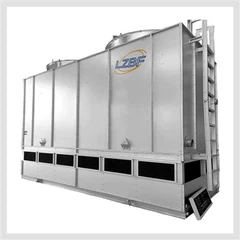
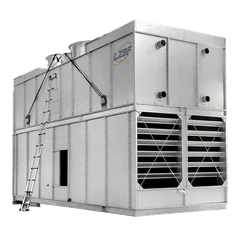
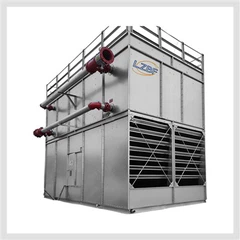
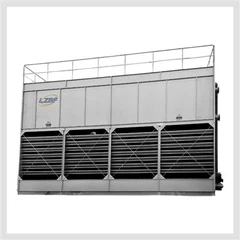
Before delving into the suitability of cross-flow closed cooling towers for low-temperature environments, it's essential to understand their basic principles and design. A Cross-flow Closed Cooling Tower operates on the principle of transferring heat from a hot fluid (usually water) to the atmosphere through a combination of evaporation and convection. In a cross-flow design, the air flows horizontally across the tubes or coils through which the hot fluid circulates, while the water is sprayed over the tubes to enhance heat transfer.
The closed-loop design of these cooling towers offers several advantages, including protection of the circulating fluid from contamination, reduced water consumption, and lower maintenance requirements compared to open cooling towers. They are widely used in various industrial applications, such as power generation, manufacturing, and HVAC systems.
Challenges in Low-Temperature Environments
Low-temperature environments present unique challenges for cooling tower operation. The primary concern is the potential for freezing, which can damage the cooling tower components, disrupt the heat transfer process, and lead to system failures. Here are some specific challenges associated with using a cross-flow closed cooling tower in low temperatures:
Freezing of Water
In cold weather, the water in the cooling tower can freeze, especially in areas where the temperature drops below the freezing point. This can occur in the spray system, the distribution basin, or the tubes carrying the circulating fluid. Frozen water can block the flow of water and air, reducing the cooling efficiency and potentially causing permanent damage to the equipment.
Reduced Evaporation
Evaporation is a key mechanism for heat transfer in cooling towers. However, in low-temperature environments, the rate of evaporation decreases significantly. This is because the saturation vapor pressure of water decreases with temperature, reducing the driving force for evaporation. As a result, the cooling capacity of the tower may be compromised, and it may struggle to maintain the desired temperature of the circulating fluid.
Ice Formation on Surfaces
Ice can form on the external surfaces of the cooling tower, such as the louvers, fans, and structural components. This can increase the weight of the equipment, cause mechanical stress, and interfere with the proper operation of the fans and other moving parts. Ice formation can also block the air intake and outlet, reducing the airflow through the tower and further reducing its cooling efficiency.
Solutions for Low-Temperature Operation
Despite the challenges, it is possible to use a cross-flow closed cooling tower in low-temperature environments with the right design and operational strategies. Here are some solutions that can help mitigate the risks associated with freezing and ensure reliable operation:
Freeze Protection Systems
Installing freeze protection systems is crucial for preventing the freezing of water in the cooling tower. These systems can include heaters, thermostats, and automatic shut-off valves. Heaters can be used to maintain the temperature of the water above the freezing point, either in the distribution basin or in the spray system. Thermostats can monitor the temperature and activate the heaters or other protective measures when the temperature drops below a certain threshold. Automatic shut-off valves can be used to stop the flow of water to the tower when freezing conditions are detected, preventing damage to the equipment.
Insulation
Insulating the cooling tower components can help reduce heat loss and prevent freezing. This can include insulating the pipes, the distribution basin, and the tower structure. Insulation materials such as foam, fiberglass, or rubber can be used to provide thermal protection. Additionally, insulating the louvers and other external surfaces can help prevent ice formation and improve the overall energy efficiency of the tower.
Modifying the Design
In some cases, it may be necessary to modify the design of the cooling tower to better suit low-temperature environments. This can include using larger pipes and nozzles to reduce the risk of blockage, increasing the slope of the distribution basin to ensure proper drainage, and installing additional fans or blowers to improve the airflow. Some cooling towers are specifically designed for low-temperature operation, with features such as anti-freeze coatings and enhanced insulation.
Operational Strategies
Implementing appropriate operational strategies can also help ensure the reliable operation of the cooling tower in low temperatures. This can include adjusting the water flow rate and the fan speed based on the ambient temperature, monitoring the system regularly for signs of freezing or other issues, and performing preventive maintenance tasks such as cleaning and lubrication. Additionally, it may be necessary to shut down the cooling tower during extreme cold weather conditions to prevent damage.
Case Studies and Success Stories
There are numerous examples of successful implementation of cross-flow closed cooling towers in low-temperature environments. For instance, in a power generation plant located in a cold climate region, a cross-flow closed cooling tower was installed with a comprehensive freeze protection system. The system included electric heaters in the distribution basin, thermostats to monitor the temperature, and automatic shut-off valves to prevent water from freezing. By implementing these measures, the cooling tower was able to operate reliably throughout the winter months, maintaining the desired temperature of the circulating fluid and ensuring the continuous operation of the power plant.
Another example is a manufacturing facility that uses a cross-flow closed cooling tower for its HVAC system. In this case, the cooling tower was insulated with high-quality foam insulation to reduce heat loss and prevent ice formation. The facility also implemented an operational strategy that involved adjusting the fan speed and water flow rate based on the ambient temperature. As a result, the cooling tower was able to provide efficient cooling even in extremely cold weather, without experiencing any freezing-related issues.
Conclusion
In conclusion, while using a cross-flow closed cooling tower in low-temperature environments presents challenges, it is certainly possible with the right design, operational strategies, and protective measures. By understanding the potential risks and implementing appropriate solutions, such as freeze protection systems, insulation, and design modifications, the cooling tower can operate reliably and efficiently in cold climates.


As a supplier of Cross-flow Closed Cooling Towers, we have the expertise and experience to provide customized solutions for low-temperature applications. Our cooling towers are designed to meet the highest standards of quality and performance, and we offer comprehensive support and maintenance services to ensure the long-term reliability of our products.
If you are considering using a cross-flow closed cooling tower in a low-temperature environment, we encourage you to contact us for a consultation. Our team of experts can help you assess your specific requirements, recommend the most suitable cooling tower solution, and provide guidance on installation, operation, and maintenance. We look forward to working with you to meet your cooling needs and ensure the success of your project.
References
- ASHRAE Handbook - HVAC Systems and Equipment. American Society of Heating, Refrigerating and Air-Conditioning Engineers.
- Cooling Tower Institute (CTI) Standards. Cooling Tower Institute.
- Industrial Cooling Tower Design and Operation. McGraw-Hill Professional.
Send Inquiry